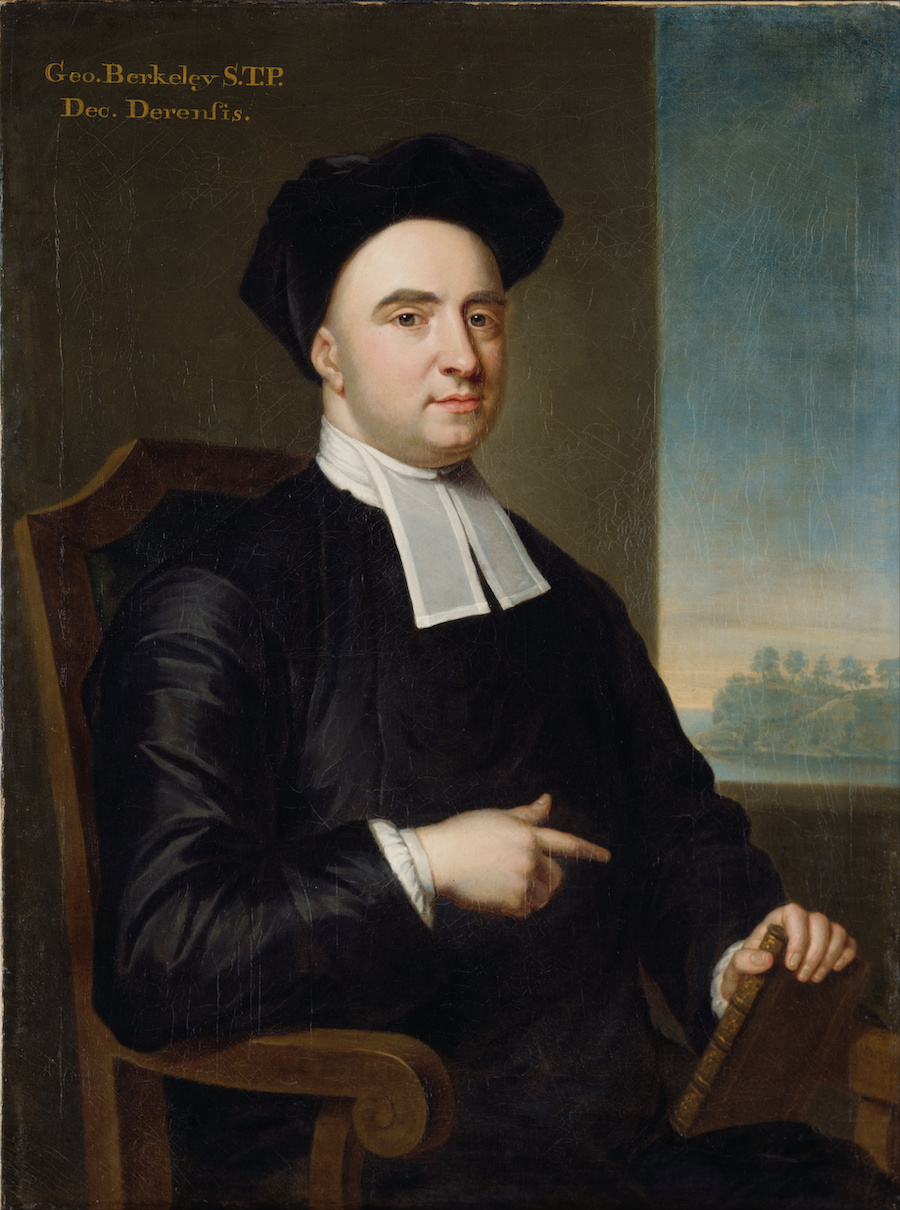
The philosophy of George Berkeley can be summed up in a few words: matter does not exist. A radical and provocative claim that he tried to argue in his most important book: “Three Dialogues between Hylas and Philonous”, written when he was 28. Hylas is a Cartesian thinker who defends the existence of matter, while Philonous is Berkeley himself, who inspired the well-known principle: esse est percipi. This could be translated as: the world only exists if it is perceived.
Pedro García Cuartango
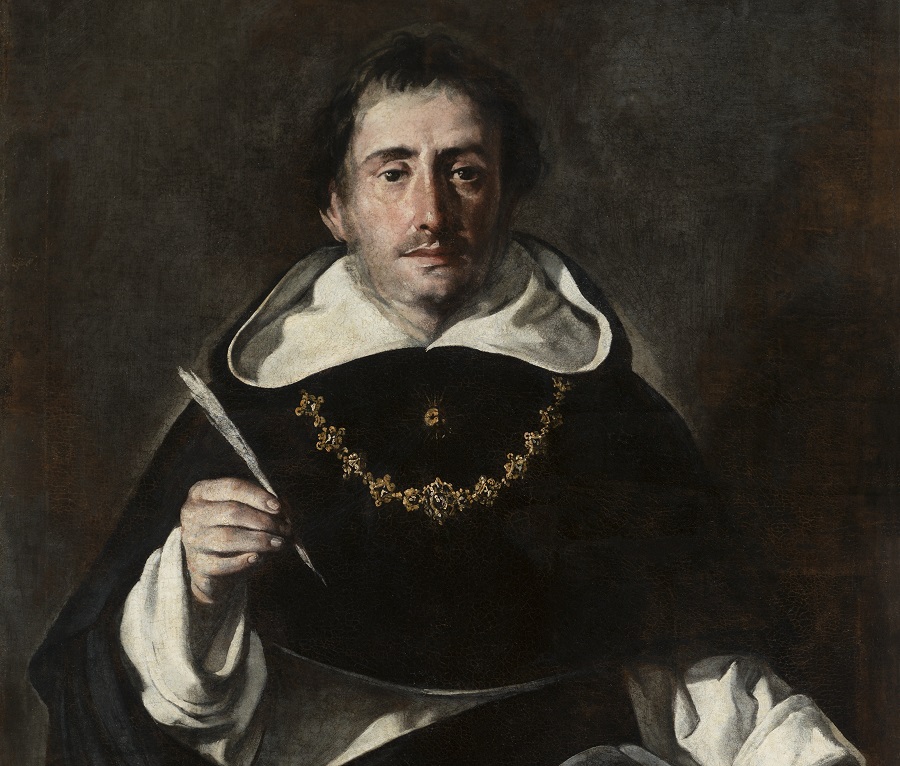
Thomas Aquinas taught at several universities (Paris, Naples and Viterbo, among others) and was a most profound connoisseur of Aristotelian philosophy. But these facts, rather than turning him into the paradigm of Scholastic philosophy, show only that Aquinas was a child of his time. If Thomas holds interest for philosophy beyond the fact that his thought can be situated within a particular historical period, it is because he presents an extraordinarily powerful and original philosophy.
Iker Martínez Fernández
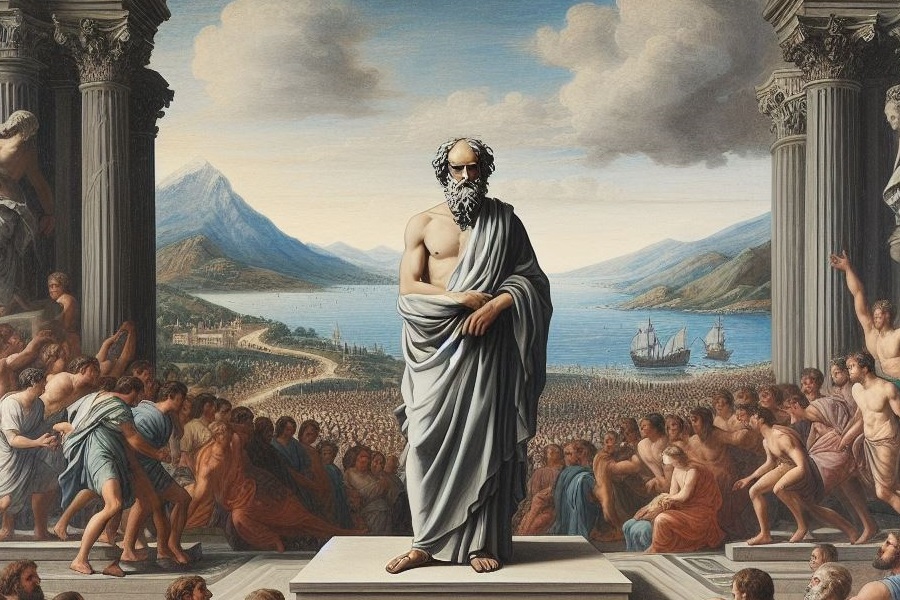
In recent years Stoicism has grown so popular that it has become a mass phenomenon. Hardly a week goes by without the general press offering us a newly published Stoic synthesis just out in the bookshops, or a cursory analysis of the reasons for the return of this ancient philosophy. All sorts of Stoic podcasts circulate on the internet; youtubers, opinion leaders and great entrepreneurs claim to promote Stoic values, and the Greco-Roman classics of this school, such as Epictetus or Marcus Aurelius, find a place in bookshop windows for the first time.
Iker Martínez Fernández
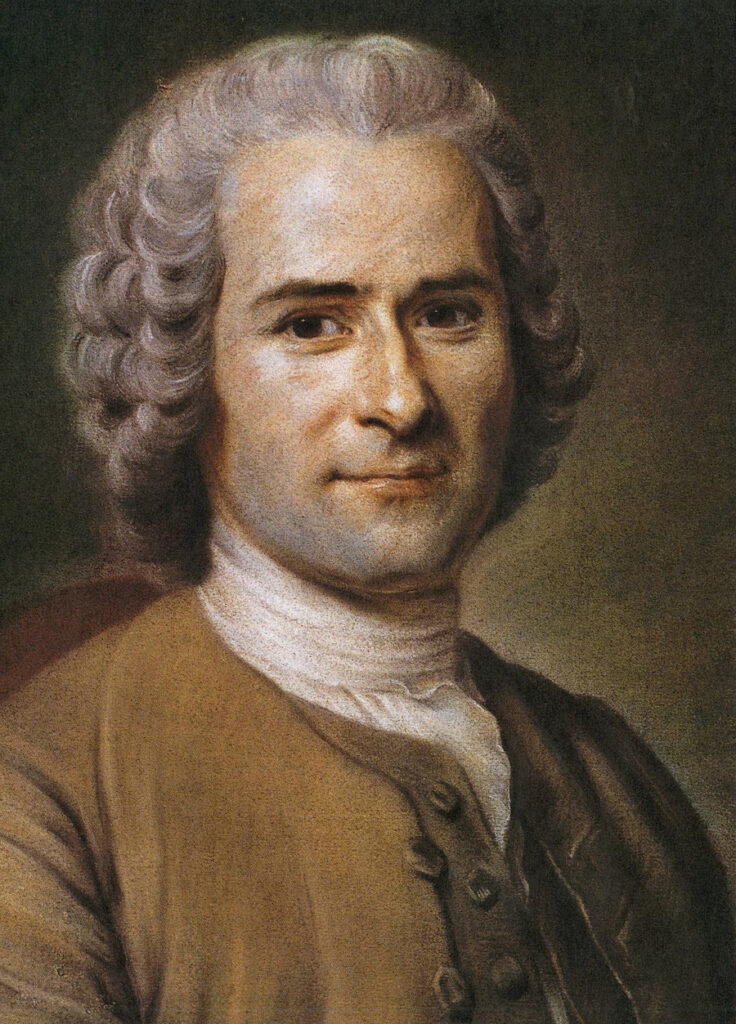
Jean-Jacques Rousseau always liked to swim against the current, like an enfant terrible who let himself be swept along by no fashion or opinion, perhaps because he understood philosophy as an existential rather than a professional commitment. He grew up in the company of many readings in which "that free and republican spirit took shape, that indomitable and proud character, incapable of bearing the yoke and servitude" (Rousseau, 1997, 34).
Kilian Lavernia
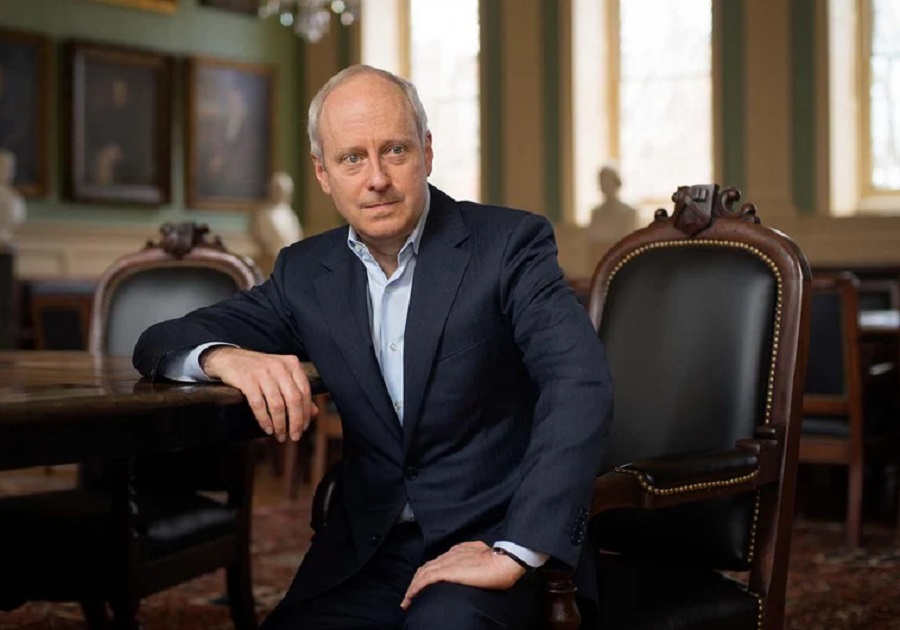
The political philosopher and 2018 Princess of Asturias Award laureate for Social Sciences, Michael Sandel (Minnesota, 1953), gave a lecture this Monday at the Areces Foundation, bearing the same name as his book, ‘The Case against Perfection: Ethics in the Age of Genetic Engineering’. The new advances in biotechnology call for an ethical critique that is always highly complex, for, in order to preserve our moral and ethical values, particular cases make it difficult to resolve important questions.
Elena Cué
Few concepts in the Western heritage have been as hopeful and fascinating as that of cosmopolitanism. The ideal of the peaceful coexistence of all human beings, gentle and captivating, represents the summit of the dreams of living together among those who differ. And this despite the fact that the historical attempts to carry the idea over into reality have almost always turned out to be turbulent and intemperate.
Iker Martínez Fernández
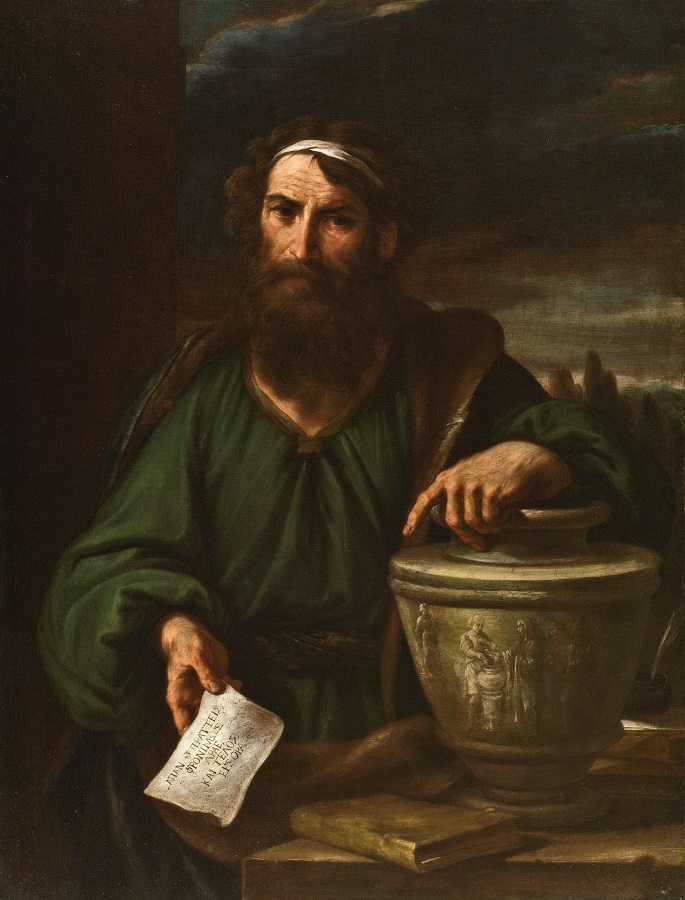
Born on Samos in 341 BC, Epicurus founded in Athens a philosophical school grounded in friendship, sensory knowledge and the pursuit of a life free of fears. His thought, often misread as mere hedonism, in fact proposes an ethics of serenity: to live without pain or disturbance as the path to happiness.
Iker Martínez Fernández
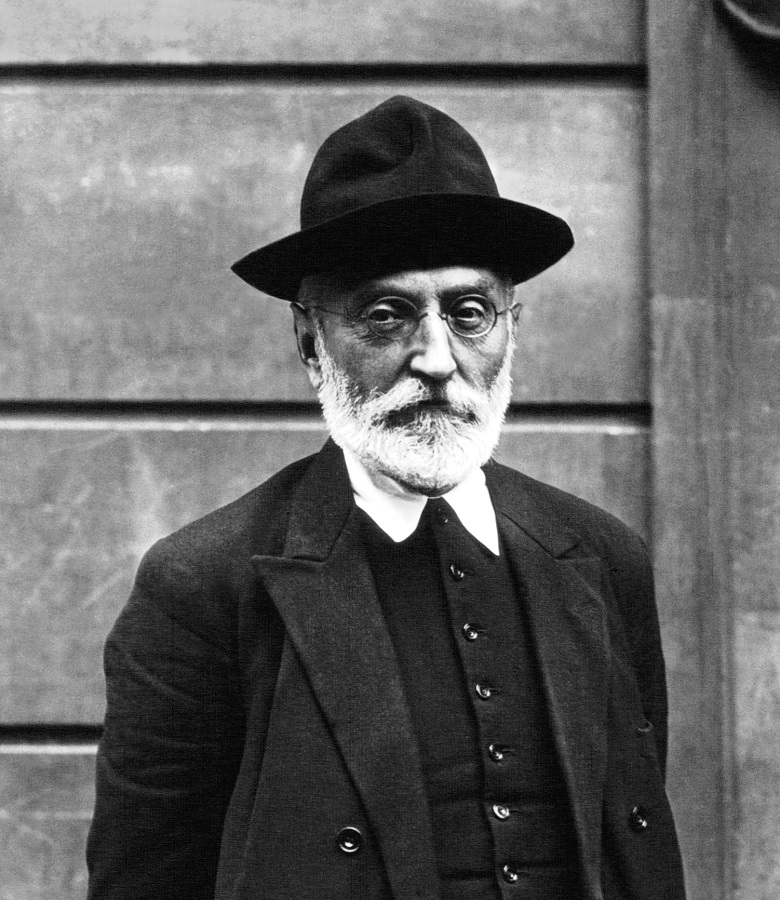
The thought of Miguel de Unamuno revolves around the concrete human being, the person of "flesh and bone," and his anguished struggle between reason and life. From the craving for immortality to faith as a creative impulse, his philosophy turns contradiction into a vital engine, proposing a way of existence that finds meaning in tension, doubt and the desire to endure.
Kilian Lavernia
Spinoza held that the world is the expression of a divine substance that determines the laws of physics and human actions. I could not agree more. If I had to take one book with me to a desert island, it would be Spinoza's “Ethics”. When I first read the work as a young man, I believed in a universe enlightened by divine wisdom.
Pedro García Cuartango