Chaos and Cosmos
To have true knowledge of things, that is, to be able to explain Nature and human life, we must turn to their origin, what the ancient Greeks called arche, and seek the causes and reasons of those processes. And what better option than the one offered by the Archaeological Museum of Madrid, to commemorate the tenth anniversary of the museum’s reopening, than to begin with that primordial time

To have true knowledge of things, that is, to be able to explain Nature and human life, we must turn to their origin, what the ancient Greeks called arche, and seek the causes and reasons of those processes.
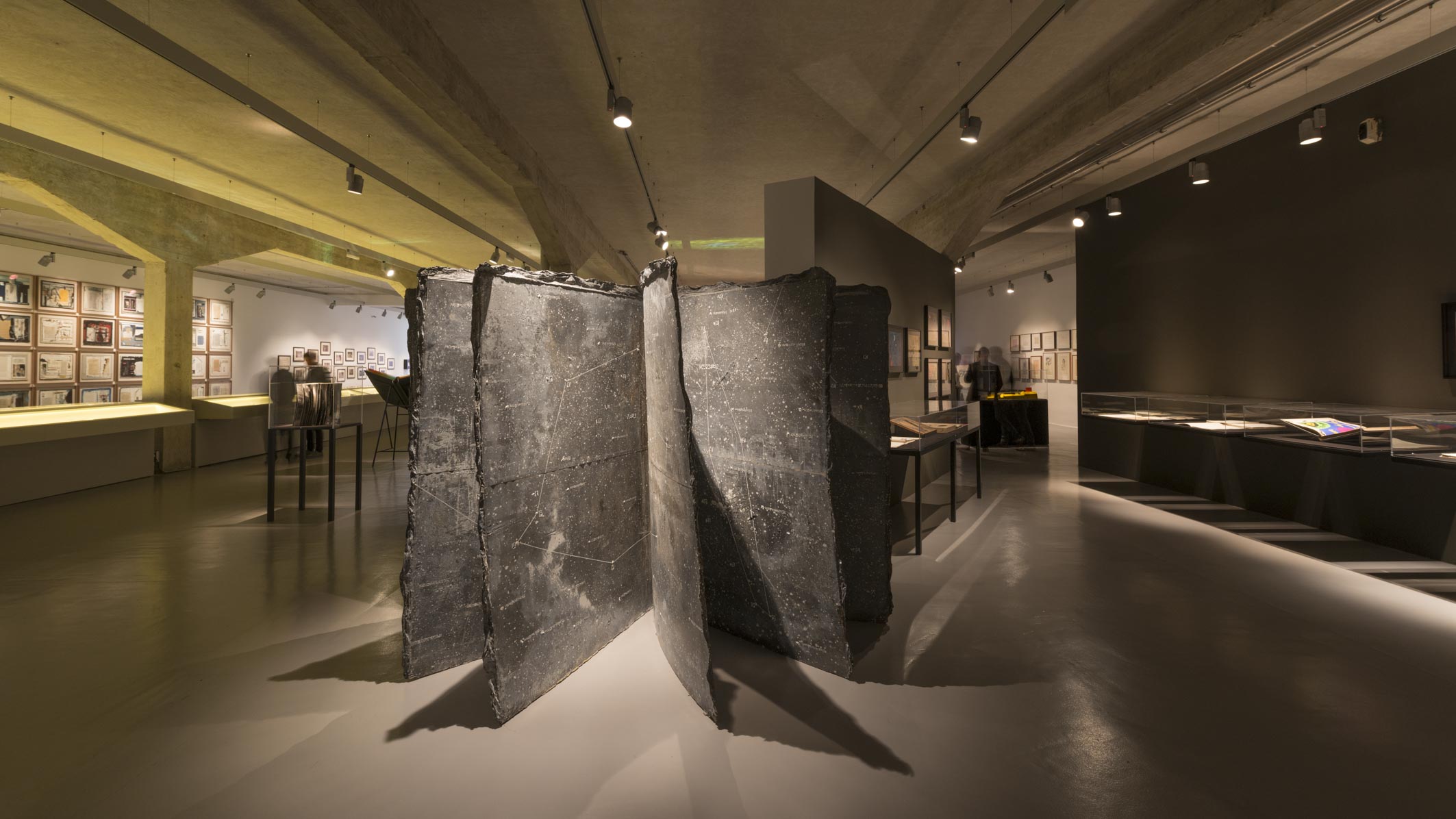
And what better option than the one offered by the Archaeological Museum of Madrid, to commemorate the tenth anniversary of the museum’s reopening, than to begin with that primordial time, with that arche, and it does so with an extraordinary exhibition: “Between Chaos and Cosmos. Nature in Ancient Greece”. This show makes a journey starting from the original Chaos, passing through wild nature, conquered nature, altered nature, the gifts of the gods, the Mediterranean Sea, agriculture, gardens, Eros or the beyond, through amphorae, terracottas, ceramics or reliefs.

If we want to understand our culture we must refer back to Ancient Greece, to that primal mold that classical mythology made of our reality for its comprehension, in which the poets Herodotus and Hesiod (8th century BC), invoking the Muses to vouch for the truthfulness of their words, gathered the epic oral tradition, in a newly born writing, derived from Phoenician writing. Hesiod’s Theogony, which recounts the birth of all the gods, many of which coincide with elements of nature and the cosmos, creates a cosmogony, that is, a mythical and poetic explanation of the genesis of the universe from the original Chaos. But this public polytheistic religion was not fully embraced by all the Greeks, which led others to resort to mystery religions such as Orphism, introducing new interpretations of human life, which would influence Greek philosophy.

The appearance of philosophy as a rational conceptualization of the world would be the most significant contribution of the Greeks’ genius. The first philosophers, or scientists as Aristotle called them, are the first to try to give a rational explanation, logos, of the origin of the world. Taking mathematical and arithmetic knowledge from the Egyptians, or astronomical knowledge from the Babylonians, they transformed those basic practical notions into general and systematic consistent theories. The dispute over whether Greek philosophy had an Eastern origin has been refuted by experts with conclusive evidence, overturning the thesis of the Eastern provenance of Greek philosophy. These first philosophers were, above all, great individuals who had the power of a thinking capable of moving from myth to science. Therefore, they would have known how to live devoted to the exercise of thinking, even at the price of isolation and conflict with society. Something so necessary in today’s societies.

A Chaos that, through mythical representations and philosophy, is gradually domesticated to make this world and the situation of man with respect to nature more comprehensible.
This exhibition of great magnitude, besides illustrating us, can contribute to reflection on the evolution that the relationship between man and nature has undergone, from the Greeks to our present moment. In ancient Greek culture this relationship was one of union and harmony; no distinction was made between nature and society, both were a single organic and living whole, which is the cosmos. Cosmos and Nature were divinized and everything that makes it up was considered sacred. Man divinizes everything that he loves, needs and feels.

The Greek word nomos means law and is the same one the Greeks used both to designate the laws of the city (the polis), the moral and political laws of men, and the laws that govern nature. This meant that neither man nor the city were considered outside nature but inserted in it, forming a whole. This conception of life contrasts strongly with our present world, which is immersed in a profound natural crisis. A climate change is occurring due to the relationship of confrontation, abuse and exploitation that we have with nature, without realizing that we are going against ourselves, because we too are nature. Technical progress has contributed to a spectacular improvement in the living conditions of men, but with the increase of the world population we must better care for what provides us with natural resources for our survival. Lest we pass from Cosmos to Chaos, as unpredictable and uncontrolled forces of Nature, and Poseidon shakes the Earth and the depths of the sea with his trident.