Jean-Michel Basquiat. Now’s the Time
Author: Angeles Blanco.
Graduate in philosophy and history
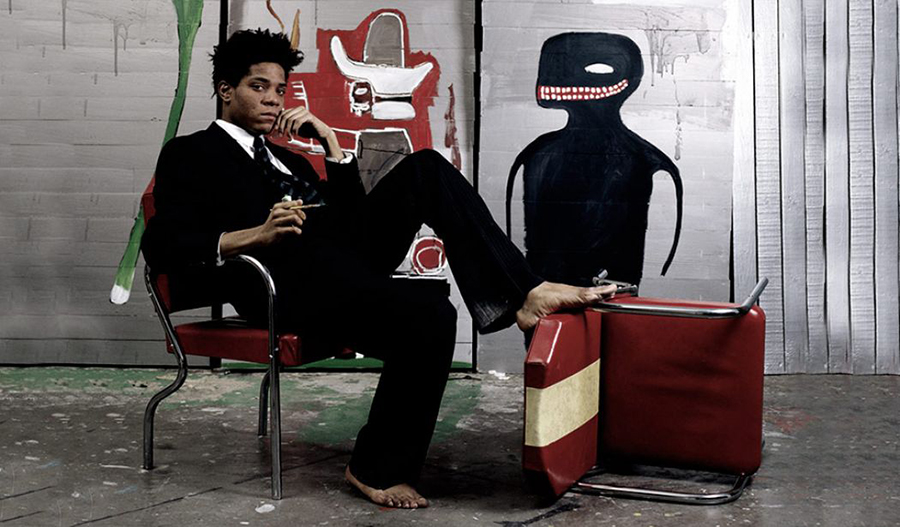
Outspoken, provocative, multifaceted, erudite, revolutionary, reflective yet impulsive, contemporary… countless adjectives can define the overwhelming personality of Jean-Michel Basquiat who, despite his fleeting career, has left an indelible mark on the art world. Now’s the Time, the title of the exhibition that the Guggenheim Museum in Bilbao, with the collaboration of the Art Gallery of Ontario, hosts between 3 July and 1 November 2015, reaffirms his lasting relevance.
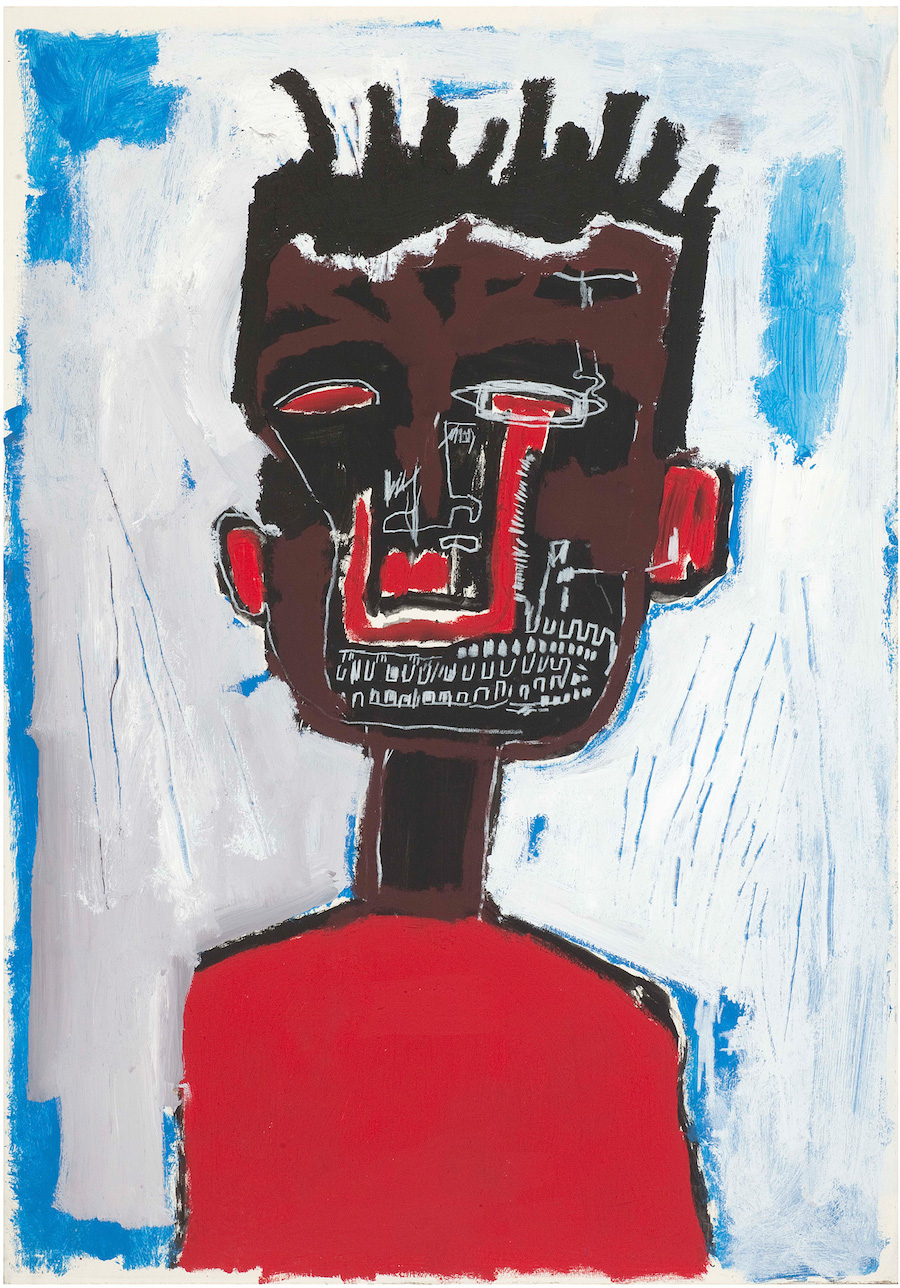
Already as a child, Basquiat stood out for his artistic skills and his intellectual capacity; everything around him served as inspiration and he was a tireless reader. He soon made urban subject matter his own, gaining a place on the street art scene with his graffiti. In the company of Al Diaz, behind the pseudonym SAMO©, they left witty and provocative messages.
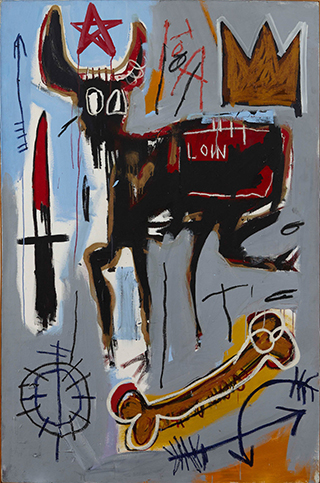
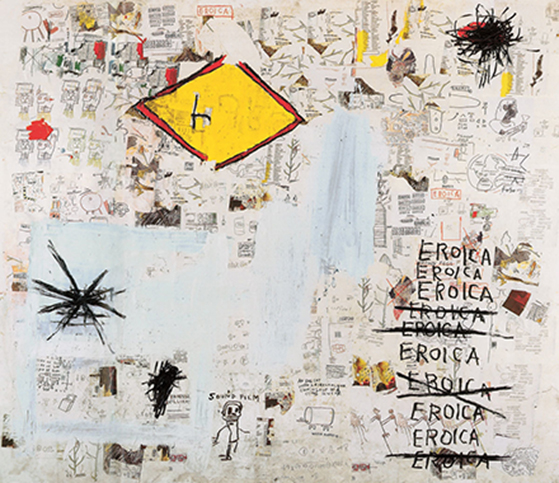
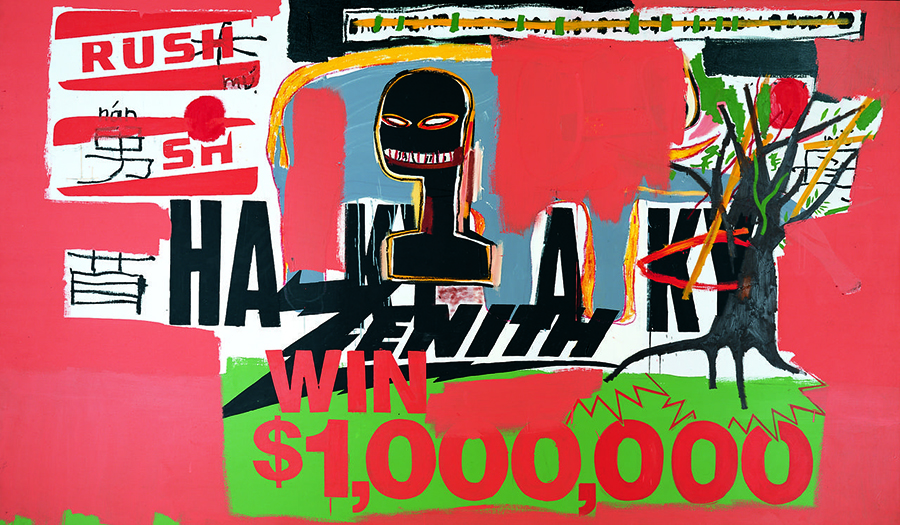
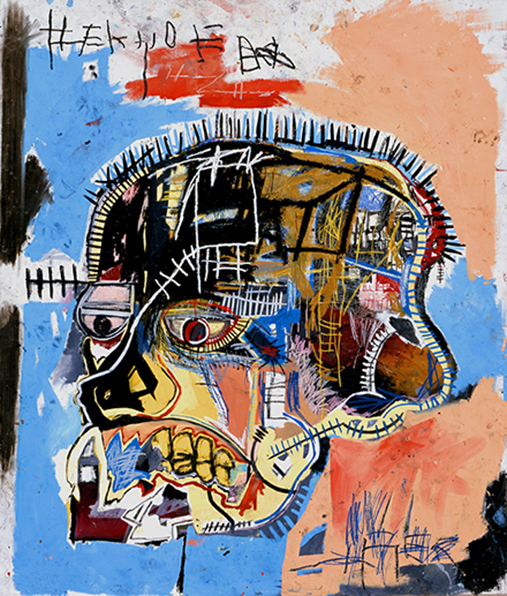
He made use of any idea as inspiration and was able to create art at the same time as he argued with friends or watched television. Some say he anticipated the Internet age for his ability to bring together media and subjects: images, texts, symbols, music, graffiti, jazz, comics, medical treatises… In a single work, he could use a multitude of resources to convey different ideas, always seeking to stir consciences, to criticize injustices and to make people reflect.
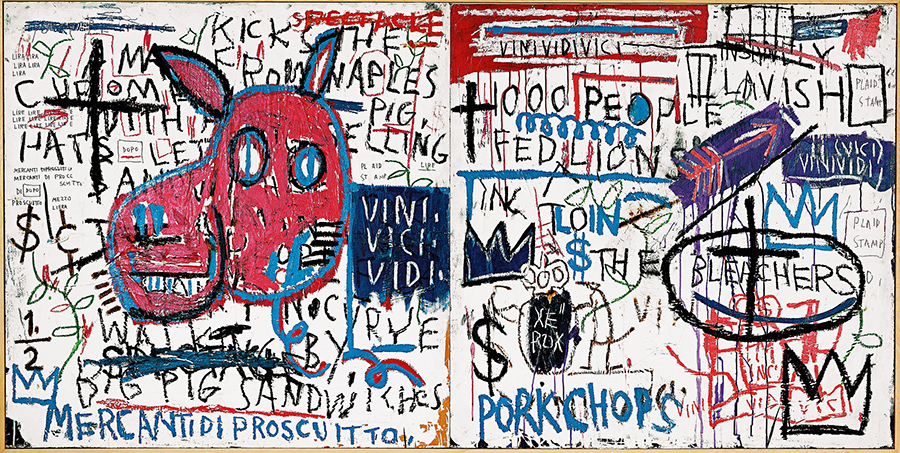
His Haitian and Puerto Rican descent undoubtedly carried great weight in his career. One of Basquiat‘s greatest concerns was the racist treatment that people of color still suffered in the 1980s and that, sadly, remains topical today. It is a recurring theme in the work of the greatest African-American artist of all time, one that he, despite his dazzling success, continued to suffer in his own flesh. For this reason, one of the themes that most repeat in his paintings is the homage to the black race, the redress of its history of persecution and marginalization, the recognition of the black man as king, saint or warrior, using the crown as a recurring motif that bestows greatness on his characters.
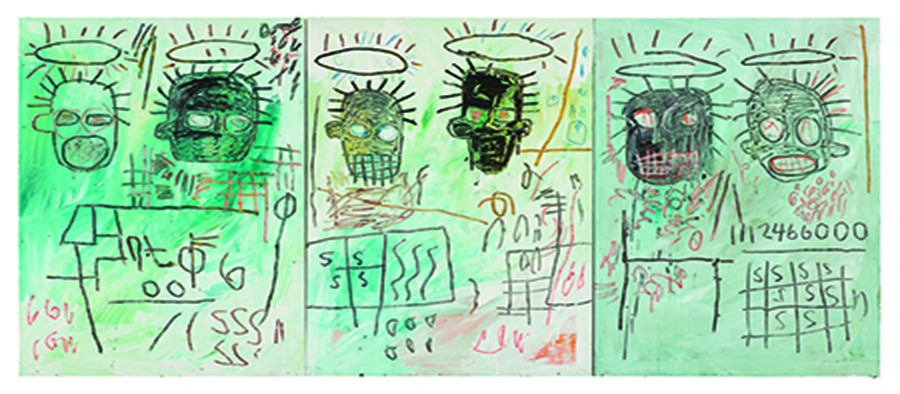
The idea of duality is another of the questions he exploits in his works, opposites, the combination of disparate elements that sometimes create conflicts and other times compromises: it was about questioning conventions and traditional perceptions, ideas about good and evil, the social class system or racial conflicts… The union of opposing elements in a single work pursued nothing other than integration.
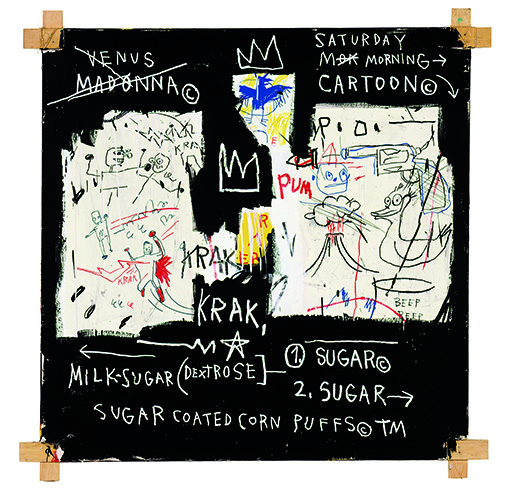
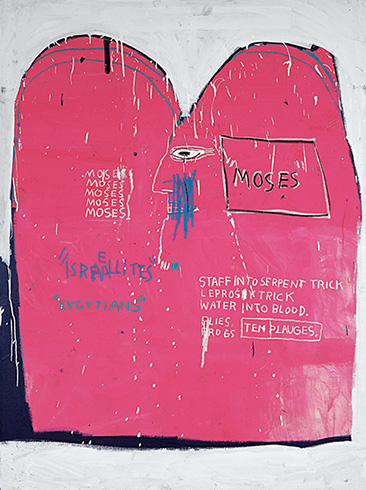
He drew on his fondness for comics to take familiar elements, recover identifiable symbols and, with a notable charge of irony, address transcendental social issues.
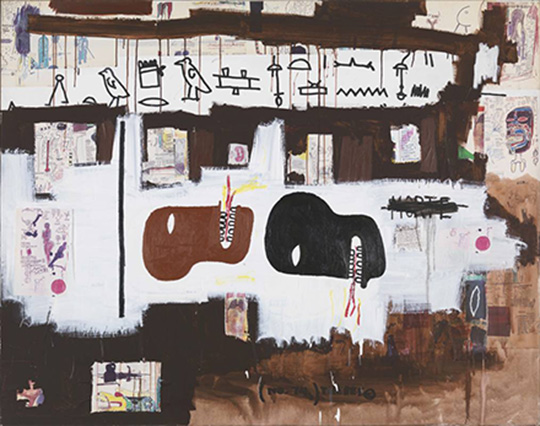
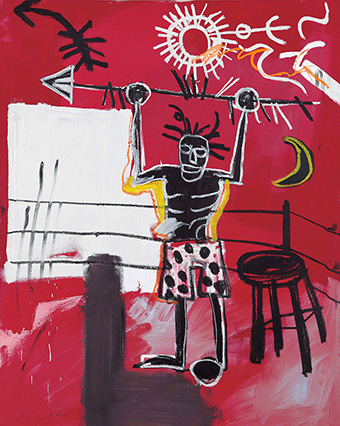
Worth noting is the friendship that bound him to Andy Warhol, one of the favorite artists of a Basquiat fully integrated into the cultural scene of 1980s New York. According to Ronnie Cutrone, “It was like some kind of crazy art-world marriage; they were the odd couple. The relationship was symbiotic. Jean-Michel thought he needed Andy’s fame, and Andy thought he needed Jean-Michel’s new blood. Jean-Michel gave Andy back an image of rebelliousness”. He also painted those he admired, his friends, and took part in countless collaborative projects with musicians, filmmakers and artists.
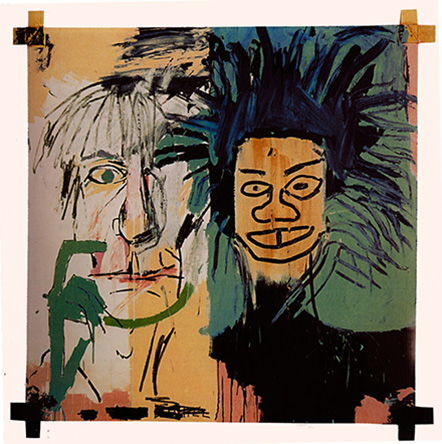
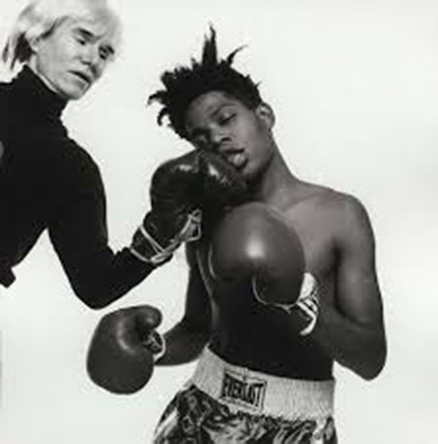
The title of the show, Now’s the Time, comes from a song by Charlie Parker Now’s the time and appears in Martin Luther King‘s speech I have a dream. Indeed, it is time to commemorate the work of this media-savvy New York artist, one of the most revolutionary artists of the 1980s, who today more than ever is again topical. Despite his premature death, after a brief (barely ten years) but prolific career, his continual search for new paths, his nonchalance and unpredictability continue to inspire many artists.
Now’s the Time
Guggenheim Museum Bilbao
3 July to 1 November 2015
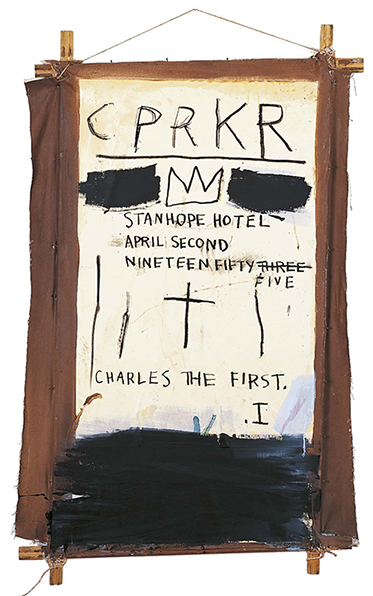
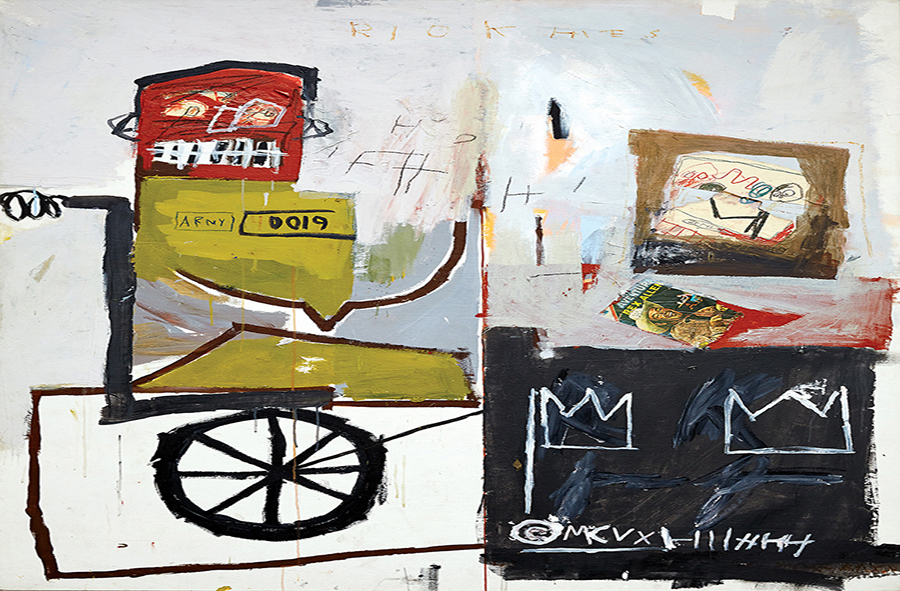
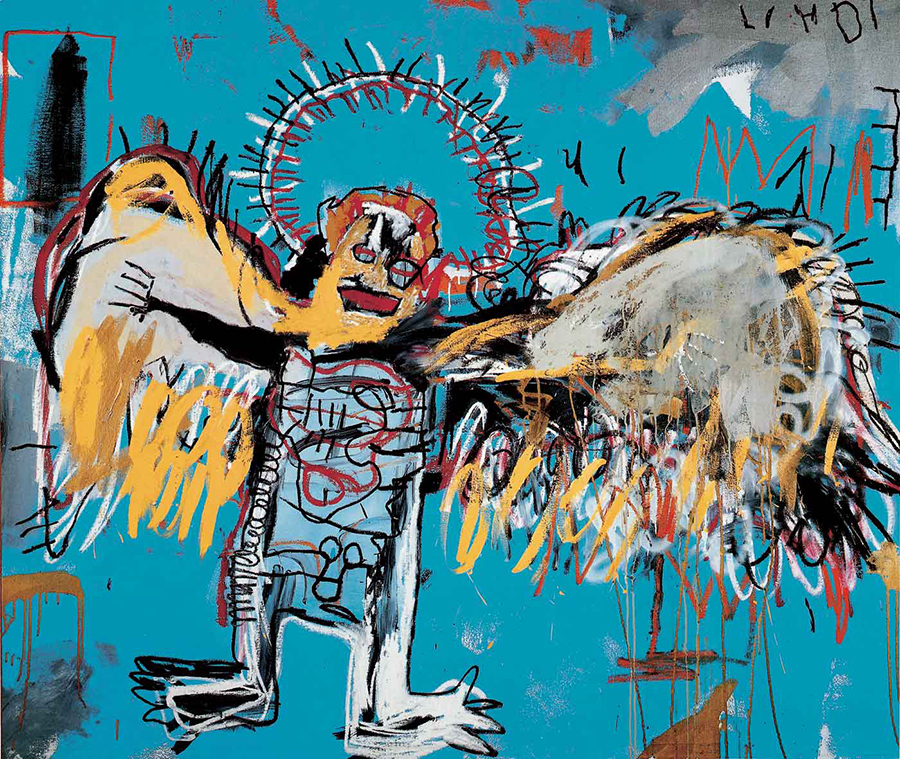
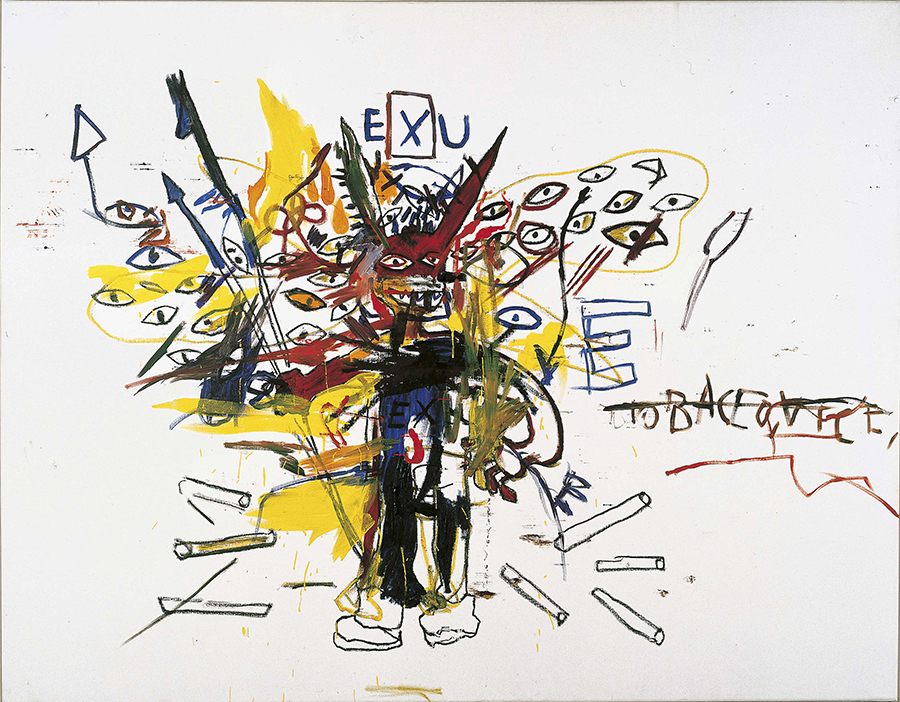
– Jean-Michel Basquiat. Now’s the Time – – Home page: Alejandra de Argos –