

The Hermitage, the First Museum to Curate a Pavilion at the Venice Biennale
The Russian Pavilion will bring to the city of canals an installation inspired by Rembrandt’s painting “The Return of the Prodigal Son,” the most important work in the museum’s collection.
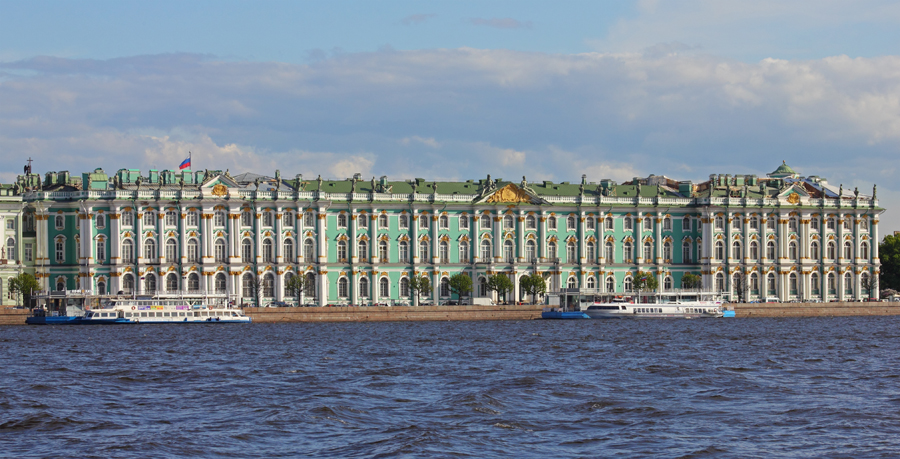
The Hermitage Museum. On wikipedia
The 2019 Venice Biennale is living through an intense countdown to its opening. In its fifty-eighth edition, the world-famous event promises a gathering of the finest contemporary artists of the moment, as well as a presentation of the most interesting emerging creators of recent years. In recent days the State Hermitage Museum of Saint Petersburg (Russia) has announced that it will be in charge of curating the Russian Pavilion of this edition, something that no public institution had ever done before. The museum’s general director, Mikhail Piotrovsky, commented on the matter: “We set precedents; being the first is our style. The idea of the project is to highlight the influence that a universal museum (as the guardian of culture that it is) can exert on a contemporary artist”. The installation remains a secret, although it is known that it will be inspired by the most valuable masterpiece in the collection: the painting “The Return of the Prodigal Son”, by Rembrandt.
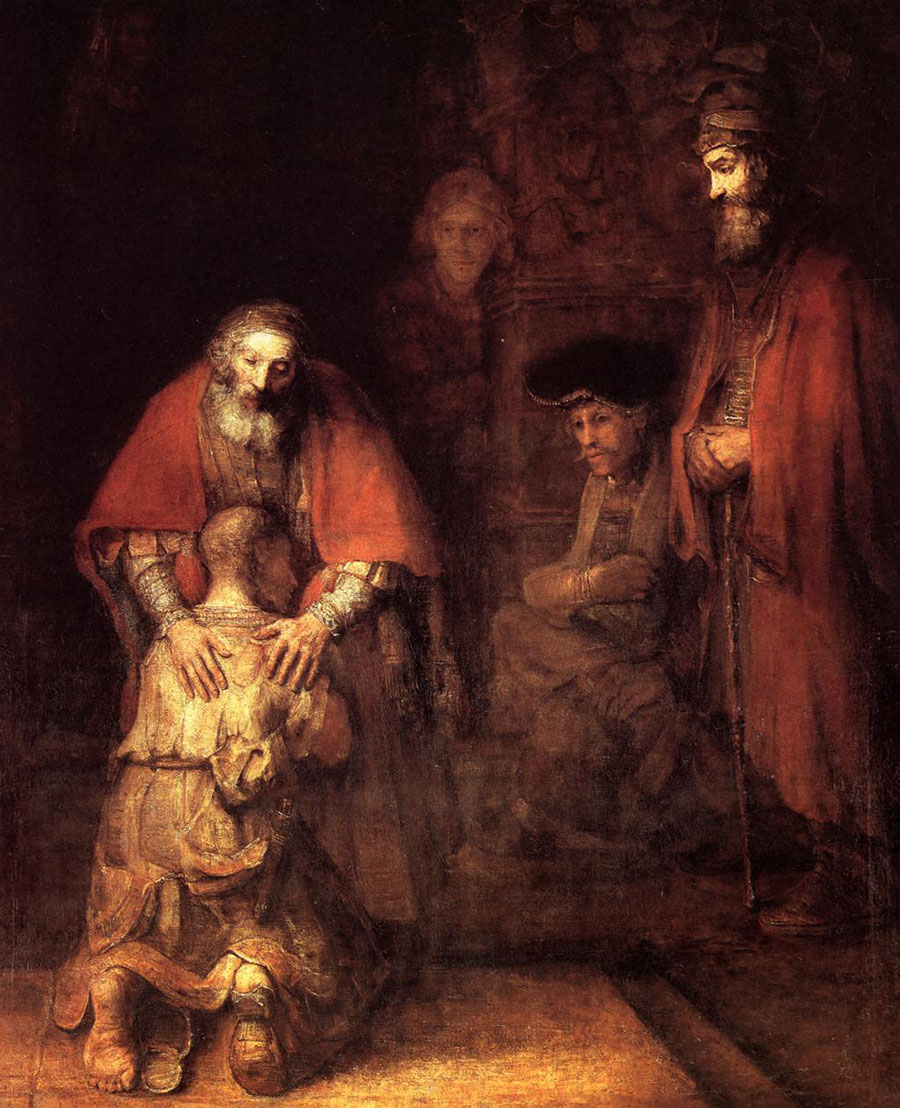
“The Return of the Prodigal Son”, by Rembrandt. The Hermitage Museum. On juanvaldescesar.blogspot.com
The name of the installation that can be visited in the Pavilion is Lc. 15: 11-32, the verse from the Gospel of Saint Luke that recounts the parable of the prodigal son. Rembrandt’s canvas is the central theme of the installation, created by the prestigious Russian film director Alexander Sukurov at the museum’s commission. The installation will reflect one of the most important rooms of the building and the studio of an artist who, according to the filmmaker, “contemplates the turmoil and the wars that surround the contemporary world”. Alongside Sukurov, the artist and stage designer Aleksander Shishkin-Hokusai has also been invited to collaborate, having based his work on the Flemish School and “on the intricate mechanisms kept in the winter palace, such as the famous Peacock Clock”. The rest of the artists who will take part in the exhibition of the Russian Pavilion will be revealed at the beginning of the month of May.
You may also like
 The Museo Picasso de Malaga Opens the Largest Bruce Nauman Retrospective in 25 Years
 “Ciudadanos” by Simon Schama. A Chronicle of the French Revolution
 “Historia y arte de la mirada”. Mark Cousins Takes Up the Baton from John Berger
 “Filosofia y ficcion”. Reflections and Stories by Ignacio Gomez de Liano
 “Eter”: Anka Moldovan Exhibits Her Latest Work in Mieres
 Cristina Iglesias Creates a Site-Specific Work for the Royal Academy of Arts