Books Beyond Artists: Words and Images.
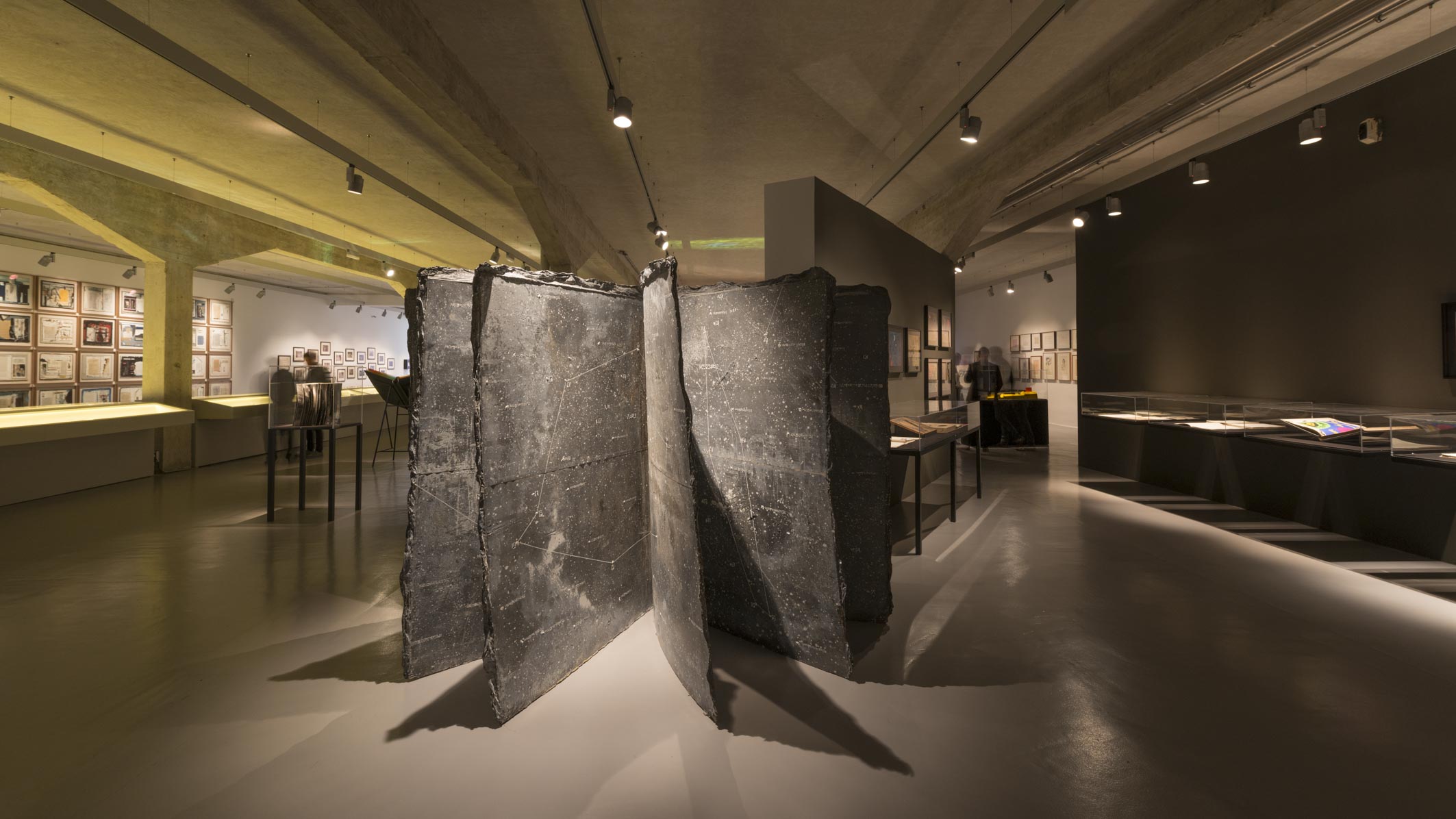
On 24 February, Ivorypress opened a major exhibition with the title BOOKS BEYOND ARTIST: Words and Images, where the visitor can see that the book forms part, on an equal footing, of what is considered a traditional work of art. Its spirit and its future take on a new value that alters the graphic representation of language, historically tied to writing.
The artist’s book becomes the material support for a different way of understanding the book and confronts its creators with new ways of transmitting their work.
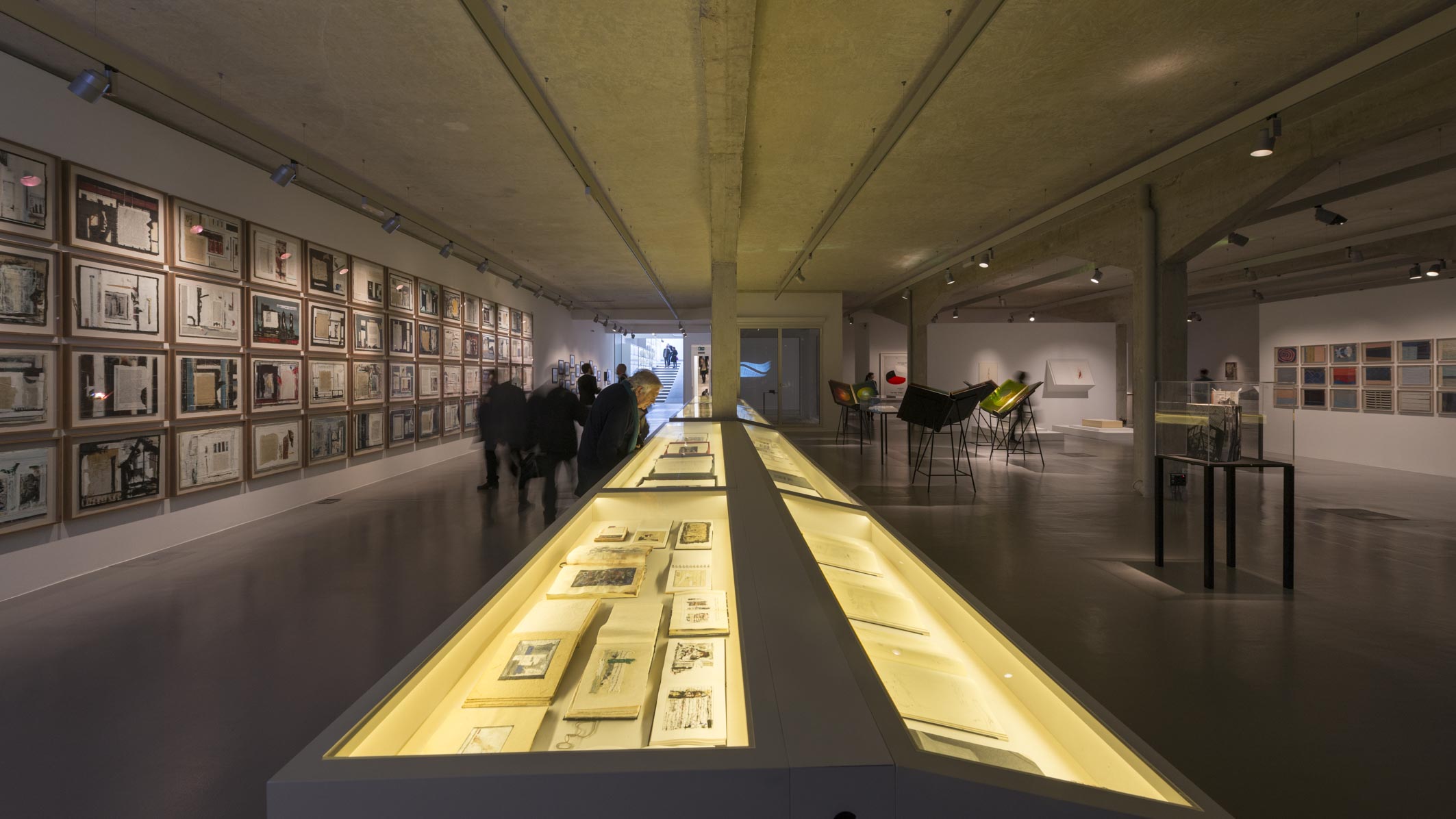
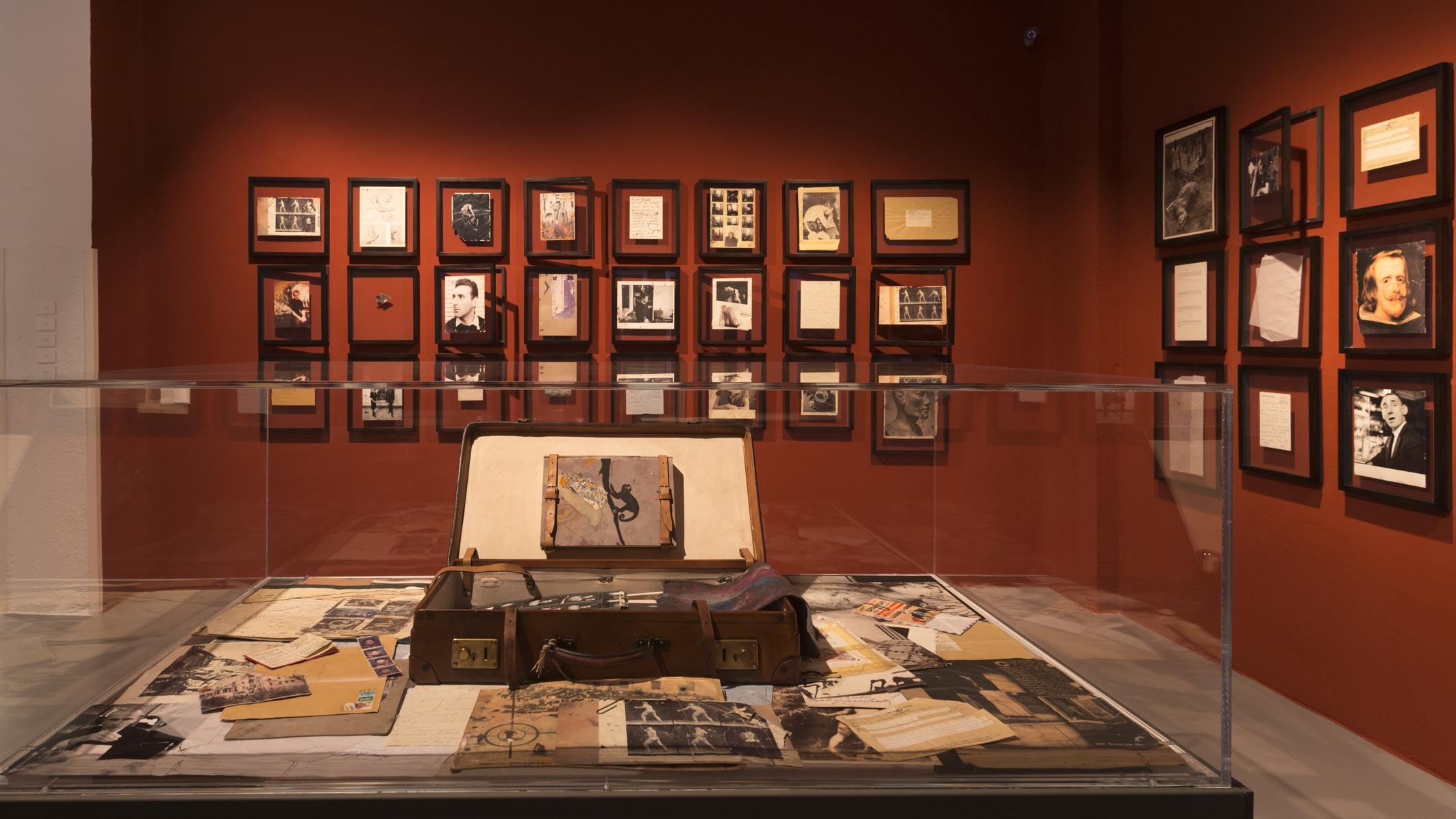
We are facing a new avenue of understanding with countless possibilities, as the works that appear in the exhibition make clear. There are books by great writers illustrated by great visual artists, object books, pictorial books, sculptural books, notebook-books, photobooks…
Many of the great contemporary artists have combined their pictorial or sculptural work with the creation of printed books. In the first half of the 20th century Apollinaire, Mallarme, Andre Gide sought out visual artists to illustrate their works. Matisse, on the occasion of the publication of his book Jazz in 1946, said: “I make no distinction between making a book and making a painting”. But it is from the 1960s onward that artist’s books come to form part, on an equal footing, of what is considered a work of art and become one of the most personal vehicles of their creators.
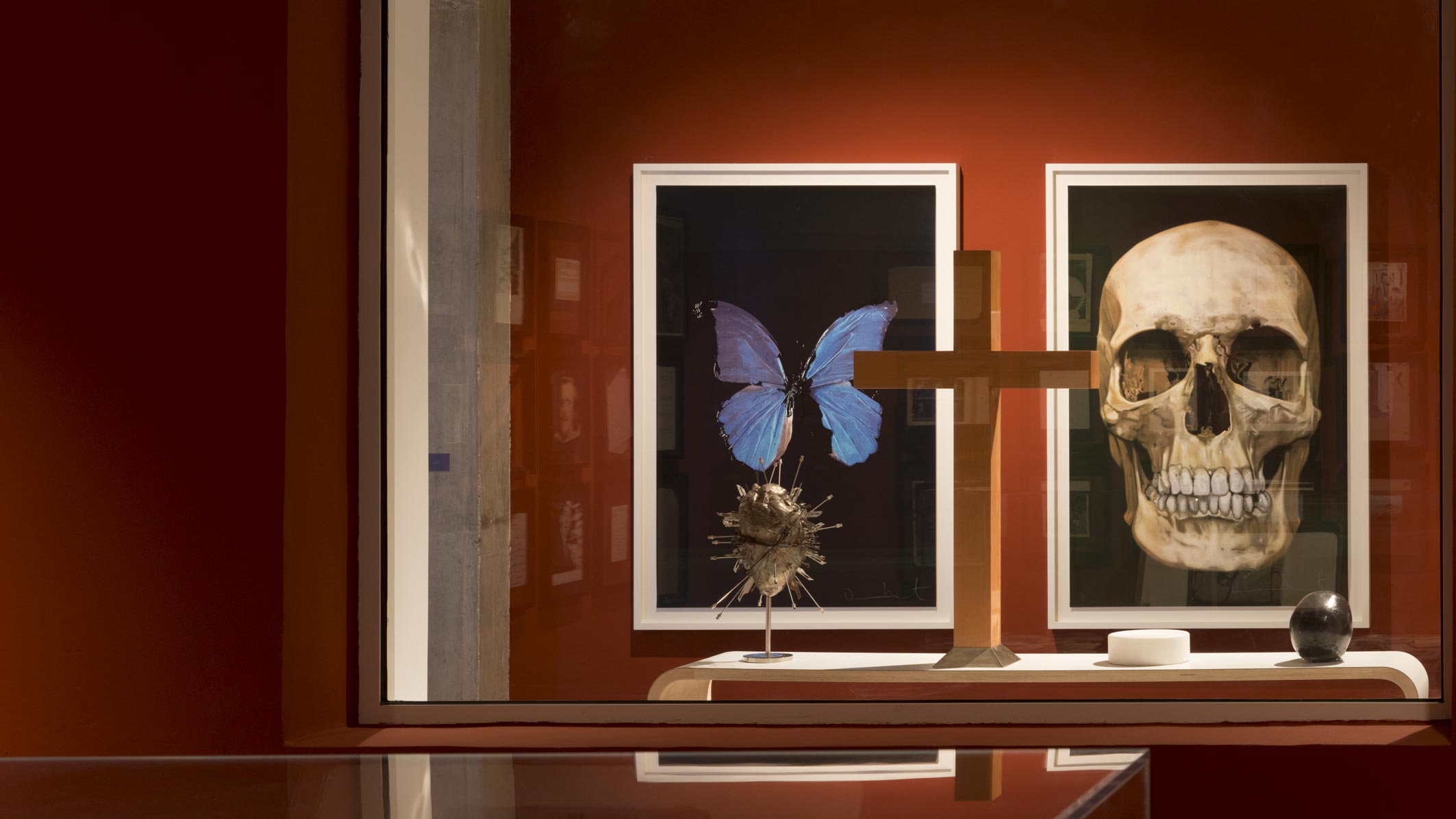
The exhibition gathers all the artistic tendencies and styles that have developed since the term was coined. The quality of the works brought together is outstanding and the variety of materials and formats highlights the true importance of the concept. The sign ceases to be stable and a multiplicity of languages appears that allow readings at disparate levels. It highlights the path that art has followed since the Second World War in its reinterpretation, in that change of register of what until then had been understood as art in the realm of the book. Alongside color, form and text, new graphic elements until now unthinkable are introduced; a very significant example is the book by Louise Bourgeois, with her embroideries on fabric, Ode a la Bievre from 2007, or the collages of Frida Kahlo, the photomontages of Noguchi or the application of new technologies used by Olafur Eliasson; even materials as alien as lead appear in Kiefer’s books. A new vocabulary emerges that shapes this new status of the book and a code of writing is established that is not tied to the text, nor to a single style. The technical resources, the languages, the signs or the codes are open for each artist to use as they please.
When the container and the content work in time with each other, they let the viewer enjoy each of the works, and the result is so suggestive that a new visit becomes necessary so as not to miss details, impossible to retain in a first encounter, in that double exercise of observing and reading.
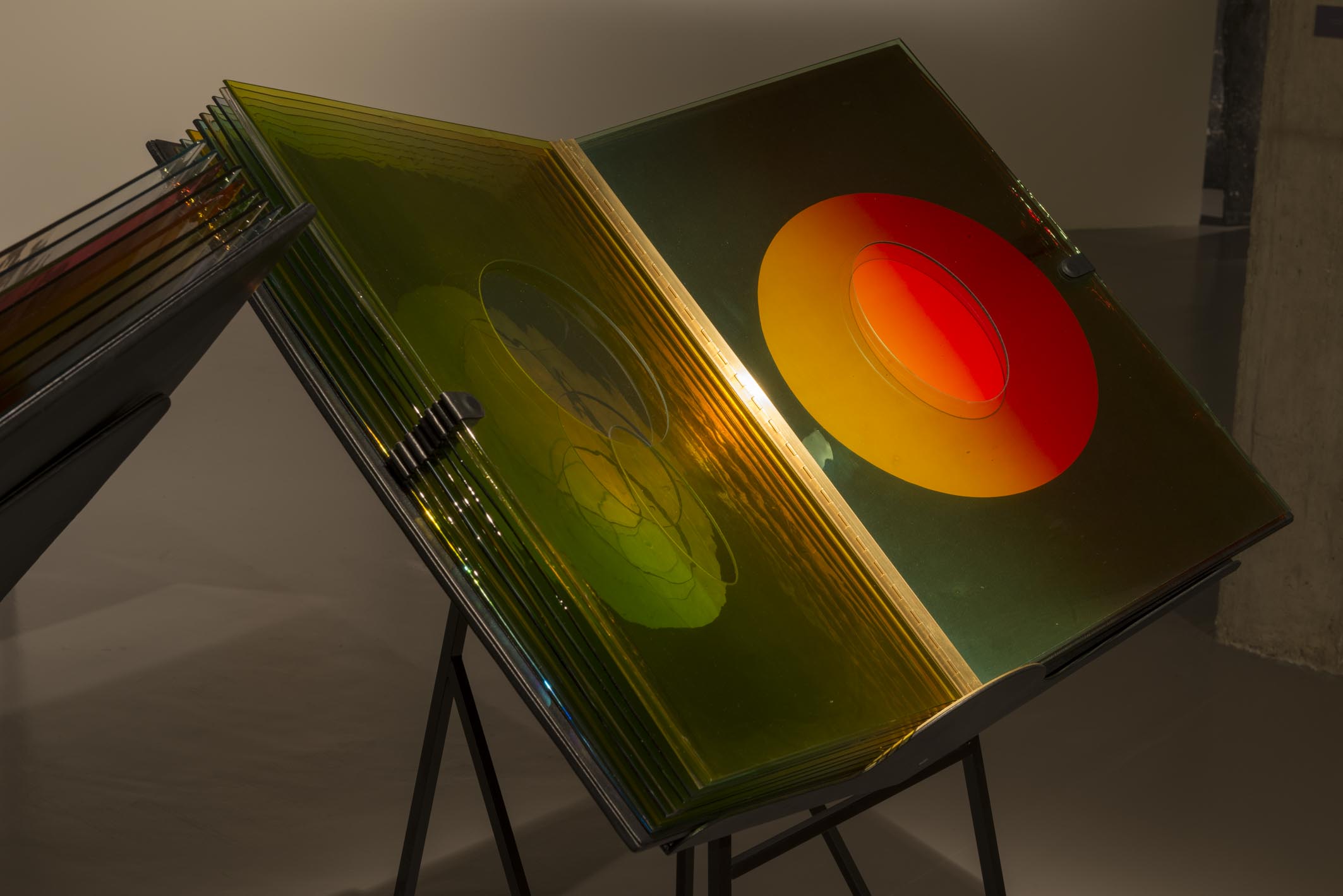
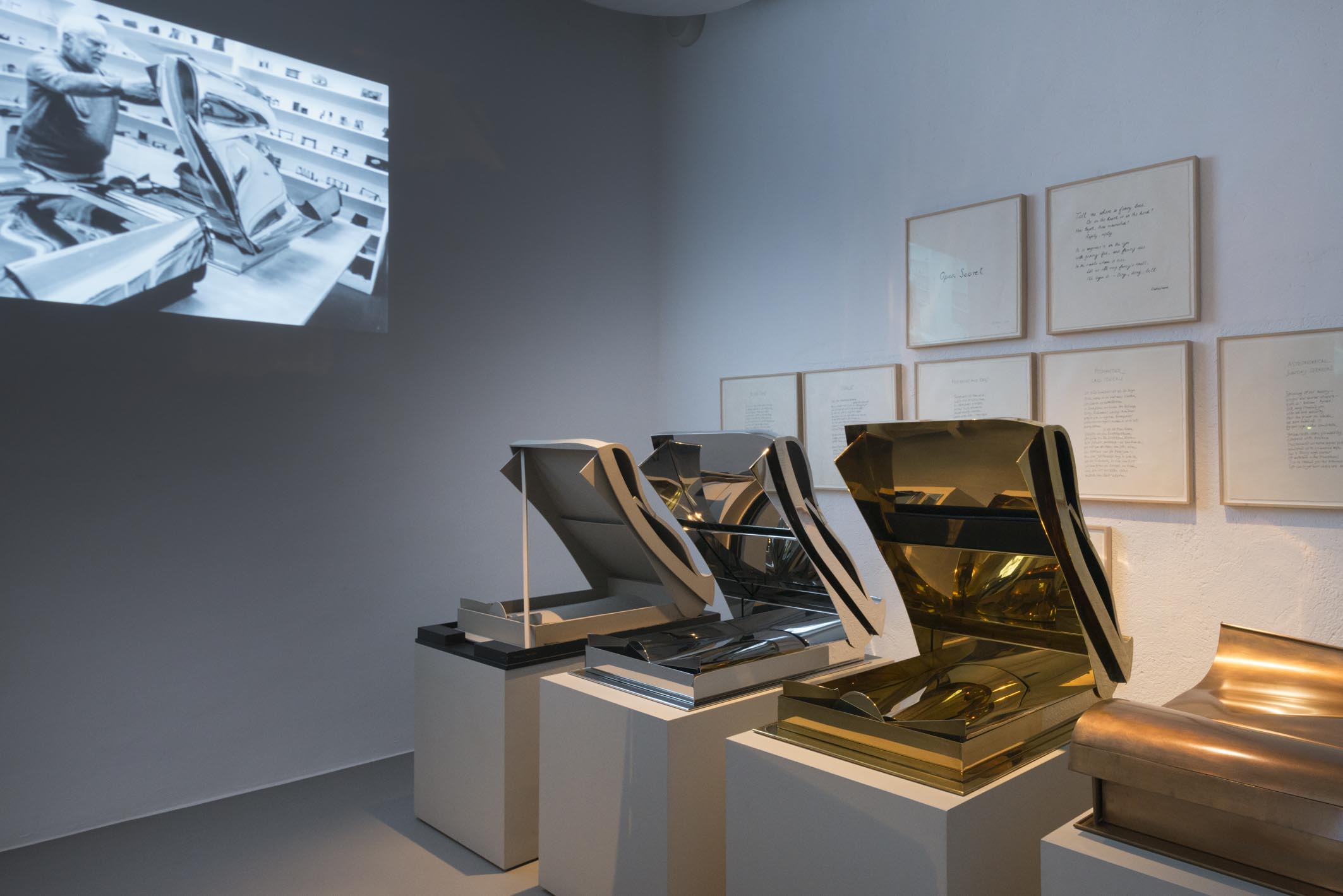
In Books Beyond Artists we can find iconic works such as The Secret Life of Plants (2008) by the German Anselm Kiefer, one of the initiators of the current concept of the artist’s book, conceptual works by artists such as Anish Kapoor and his book Wound (2005), or by Richard Long, Walking and Sleeping, minimalist books such as that of Maya Lin, Cloudine: Everest at 20,000 ft, or the photobooks of Sol Lewitt. Ivorypress’s small-format publications such as The Weimar File by Vik Muniz or Walking by Thomas Struth and Becoming by Ai Weiwei , are good examples for understanding those innovative languages of creation.
We are facing other gazes, other ways of thinking about the conception that books have historically had. The text as a fundamental element in the development and dissemination of culture and, naturally, the role that the book has had as an evocative metaphor of collective knowledge and memory have undergone a metamorphosis without losing their essence.
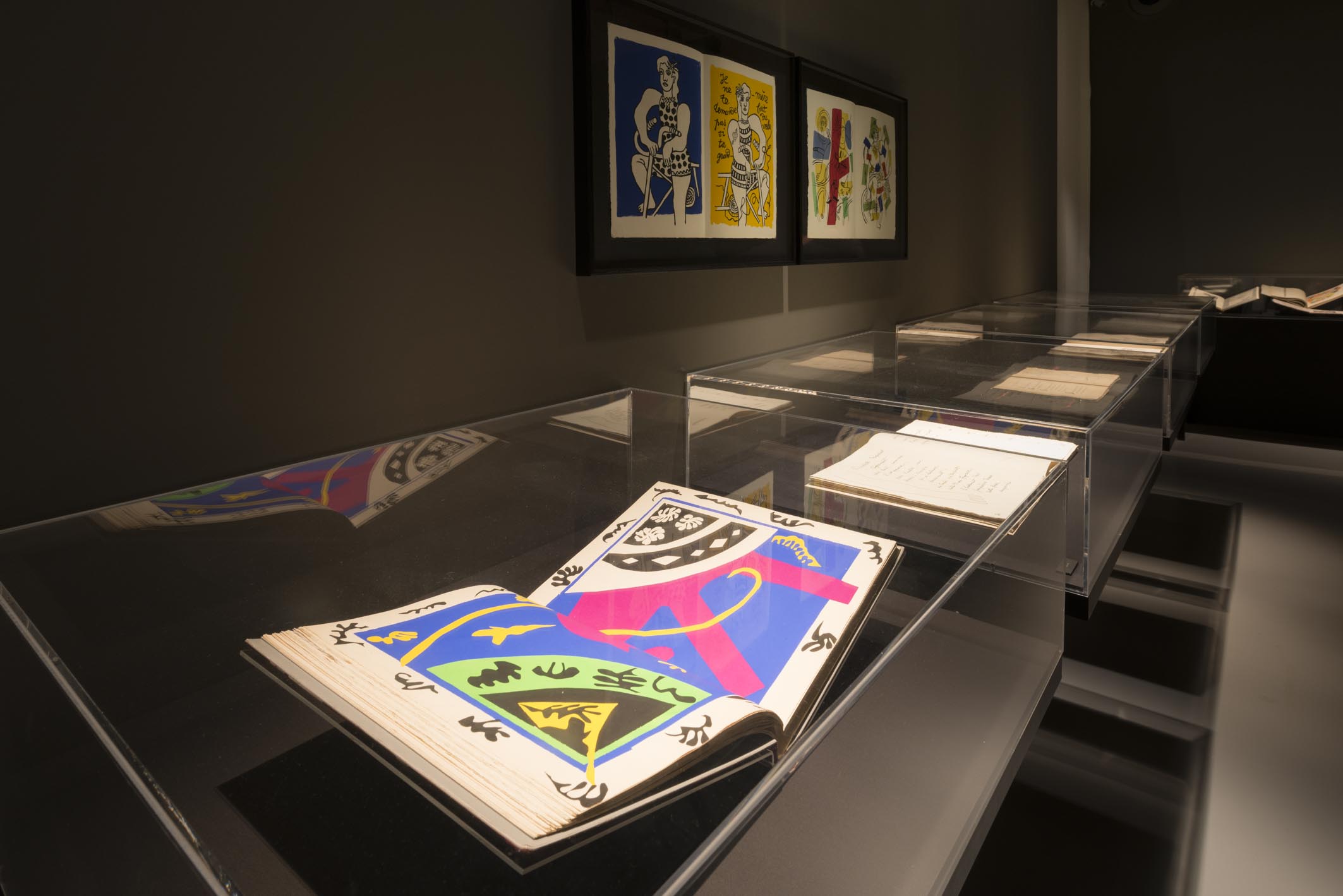
Ivorypress, together with its founder/director and curator of the exhibition, Elena Ochoa Foster, is a benchmark for the dissemination of artist’s books. The exhibition currently housed at the Madrid Space and the editorial work confirm its commitment to this artistic field.

Photos: Copyright Ivorypress
Ivorypress
From 24 February to 9 May 2015