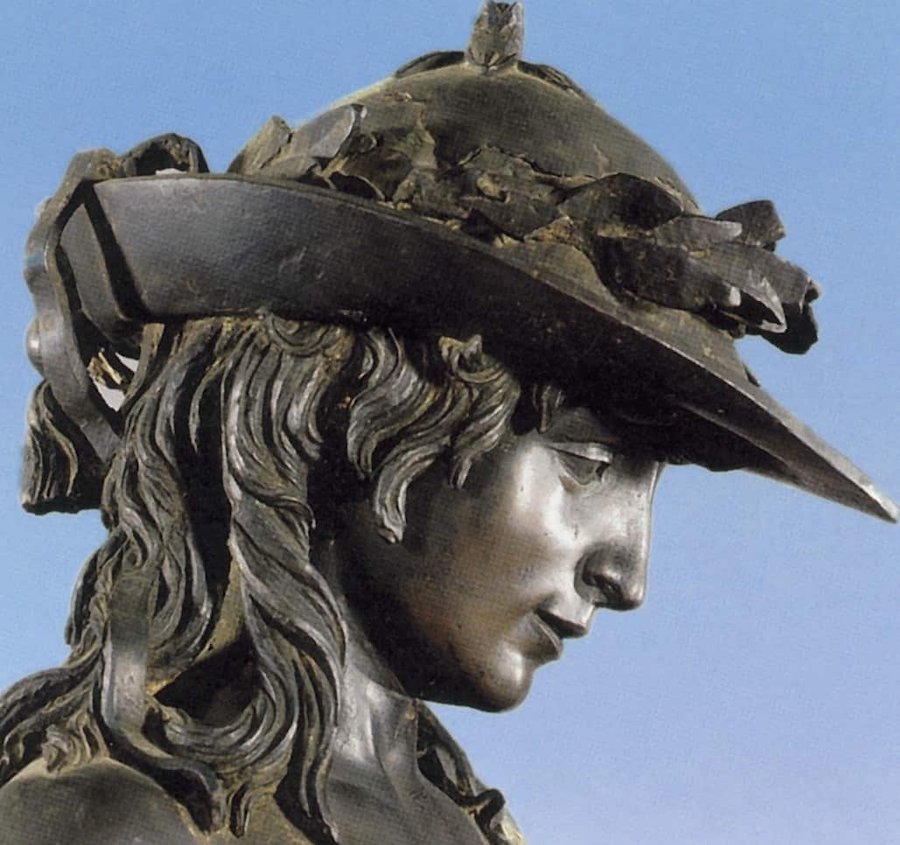
Florence, during the first decades of the fifteenth century, was the axis around which the world turned. In among its twenty neighbourhoods with their gonfaloniers, their streets and palaces, their churches and houses, Alberti was writing his treatise “On Painting”, Masaccio had painted the Brancacci Chapel frescoes and his Holy Trinity adorned Santa Maria Novella church, Ghiberti completed the North Door of the Baptistery and Brunelleschi crowned Florence cathedral with a dome which, using never-before-seen techniques, he made to float in its enormity above the Santa Maria del Fiore apse.
Marina Valcárcel
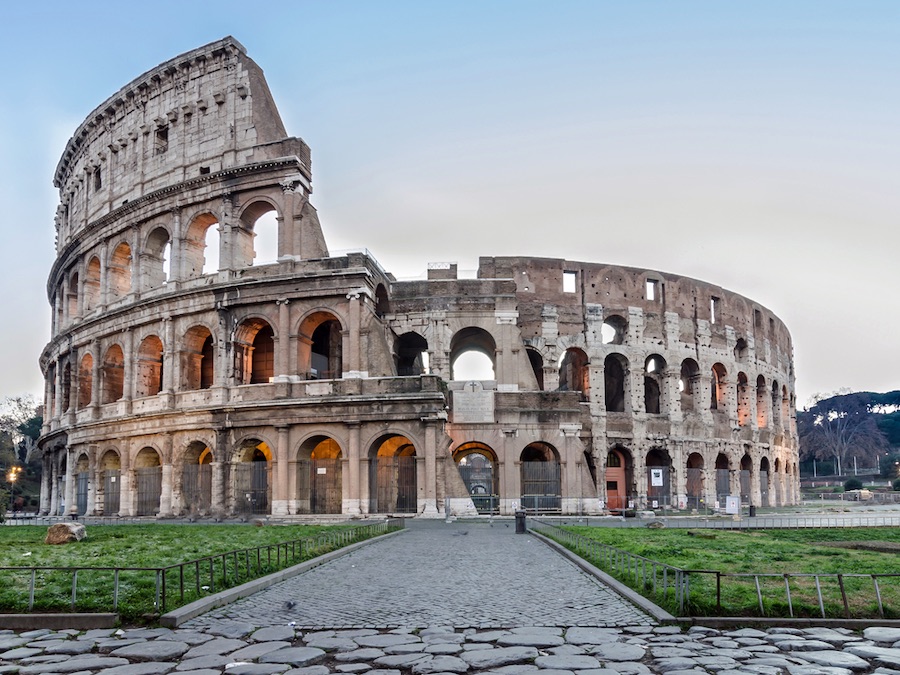
Coliseum director Dr Rosella Rea accompanies ABC Cultural on an exceptional visit through some of the recently restored, but as yet unopen to the public, areas of this prodigious monument . Back in Madrid, we consult with Pritzker prize-winning Spanish architect Rafael Moneo. “You need to close your eyes to imagine this gallery ... Archaeologists have found coloured, stuccoed areas and many frescoes. We know now that the interior of the Coliseum was red. Only the exterior was light, the colour of limestone travertine. Ancient architecture was always painted in bright colours and to forget this is to veer from reality", says Dr Rea, as we walk through a gallery whose restoration began in 2012 - thanks to a €25 million funding grant from luxury brand Tod's – and, although now completed, is still absolutely out of bounds to the public.
Marina Valcárcel
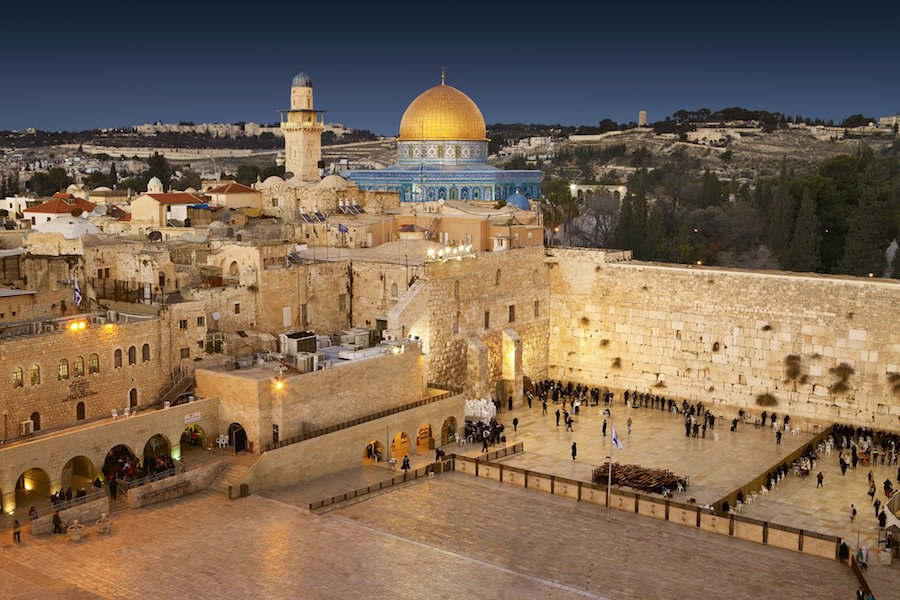
that God granted the world ten measures of beauty (yofi), nine for Jerusalem and just one for the rest of the world. The Holy City has no rivers, no sea view, no gardens. It is, rather, an ochre-hued stoney plateau set amongst valleys and dry riverbeds in the mountains of Judea. So what then is Jerusalem? Is it a concept, a wound, a state of mind? Jerusalem is two rocks and a wall. It's the custodian of the three symbolic stones of the three religions that derive from the same book: the Wailing Wall for Jews, the Holy Sepulchre for Christians and the Dome of the Rock for Muslims. One could say that its power resides in its promise of the cosmic, or its being the epicentre of stories about creation. According to Enrich Klein's 2005 account, Jerusalem has been destroyed 12 times, sieged 23 times, captured 52 times and recaptured 44 times. It is the only city in the world where history is both the past and also the future. Whatever our particular faith or whether we even have one or not, here is where its chaotic, propulsive energy is to be found.
Marina Valcárcel
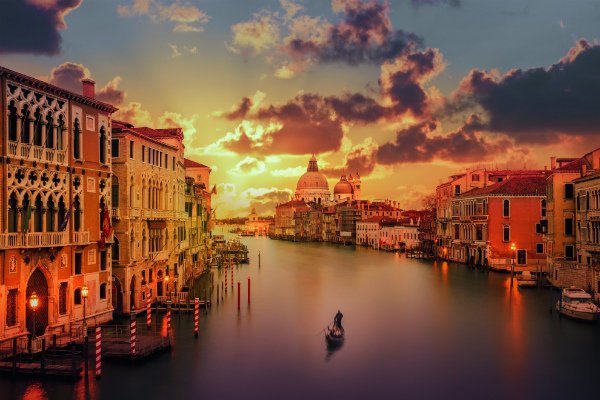
Classified as a UNESCO World Heritage Site since 1987, Venice now finds itself at death's door, not drowning in the Adriatic's high tides but suffocated by mass tourism. UNESCO has extended until December 2018 its deadline for Venice to meet twelve criteria, to the letter, that might spare it being added to the World Heritage in Danger List alongside Aleppo, Damascus and the historic centre of Vienna. Around 9.30 in the morning, crossing the Campo Santa Maria Formosa towards San Zaccaria, there is still a real feel of authentic Vienna with children on their way to school, kiosks piled high with bundles of Corriere della Sera and Il Gazzettino and the local dialect of young Venetians stepping off gondolas and vaporettos en route to the Plaza's fresh vegetable stalls piled high with basil, chicory, vine tomatoes and aubergines.
Marina Valcárcel
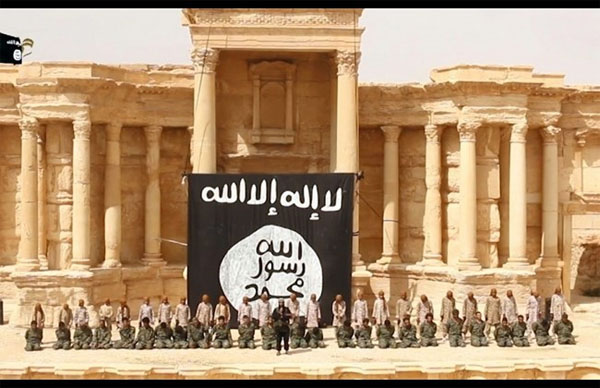
Rarely have spectacles been the protagonists of an execution. But those of Khaled al Assad had seen too much. Worn for over four decades by the Head of Antiquities for the ancient city of Palmyra, they had overseen the care and upkeep of every pillar of the great colonnade and every sphinx at the temple of Bel. In the spring of 2015, Al Assad was living a peaceful life in retirement but still fully committed to 'his' ruins. At the beginning of the Syrian conflict, Palmyra had seemed safe behind combat lines. However, in May of that year, ISIS militants were drawing closer. While the entire city emptied of its inhabitants and its resident Syrian army fled, the 82 year old Khaled al Assad came up with a plan.
Marina Valcárcel
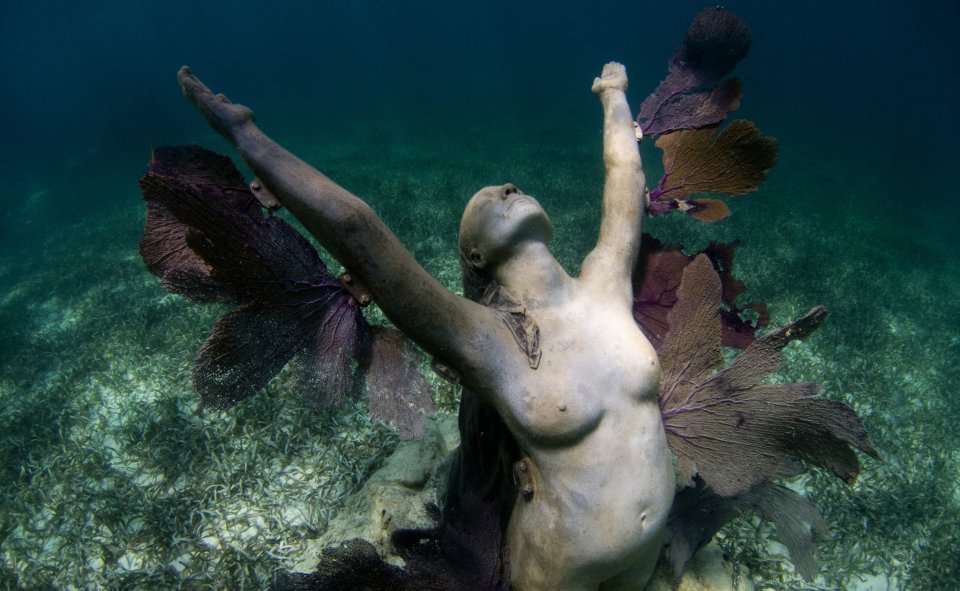
The sublime is something that moves up profoundly, that lifts us. There is no sublimation without passion. This experience full of beauty, exalts the viewer to unusual levels of aesthetic or moral shock. The MUSA (Underwater Museum of Art) is submerged off the coast of Cancun, Mexico and is the largest museum under the sea, with over 500 sculptures done by Jason Taylor deCaires. It's one of those experiences that raises us by its greatness. Jason DeCaires Taylor (1974) is an English sculptor, with over 18 years of experience as a diver. He has received awards for his underwater photographs, which capture how his sculptures become something organic, living a continuous transformation by the effects of ocean.
Elena Cué
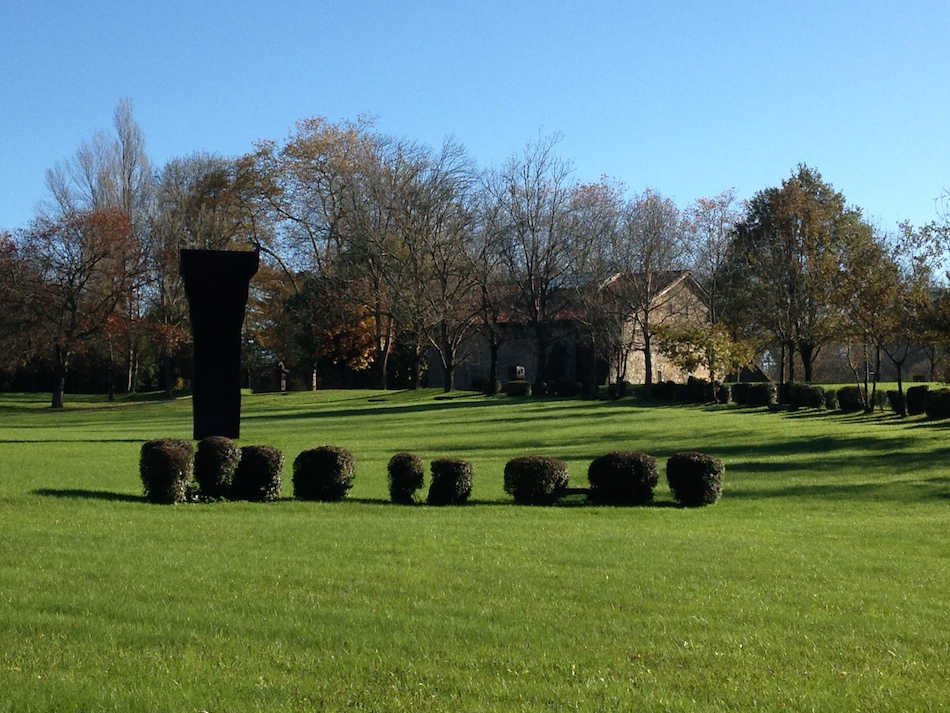
I was greeted by warm sunshine when I visited the wonderful gardens of the Zabalaga house, home to the artistic legacy of one of the 20th century’s most important sculptors, Eduardo Chillida (1924-2002). The Museo Chillida-Leku (Gipuzkoa) project…
Alejandra de Argos
Carlos Cruz-Diez, born in Caracas in 1923, is one of the great exponents of kinetic art. He moved to Paris on October 12, 1960 with a view to making it his permanent base. He set up a…
Alejandra de Argos
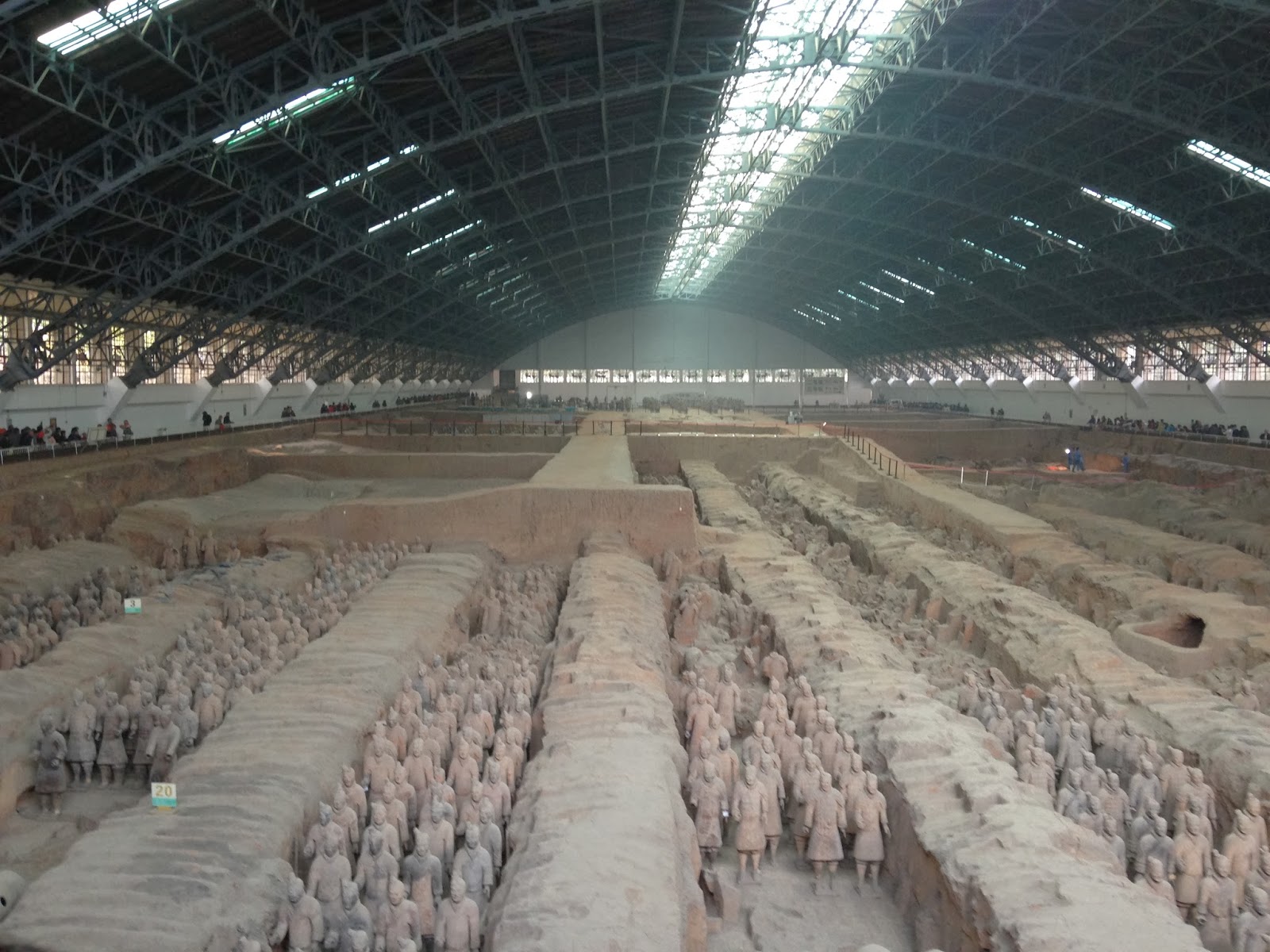
Foto: Alejandra de Argos The Terracotta Army (or “Terracotta Warriors and Horses”) is considered the Eighth Wonder of the World and was ordered to be built by the first Emperor of unified China, Qin Shihuang, who began the…
Alejandra de Argos
In 1999 I visited the magnificent Ducal Palace in Gubbio, owned by Federico de Montefeltro, Duke of Urbino and one of the 15th century’s great wonders. It was there, in the palace’s cold, empty halls, that part…
Alejandra de Argos