
The Accident
I saw your eyes fixing on my answer. “YES”. It came out of a dark and unsuspected part inside me. I remembered exactly that sensation and the need to breathe pure air. To sweat and feel the…
Marina Valcárcel

I saw your eyes fixing on my answer. “YES”. It came out of a dark and unsuspected part inside me. I remembered exactly that sensation and the need to breathe pure air. To sweat and feel the…
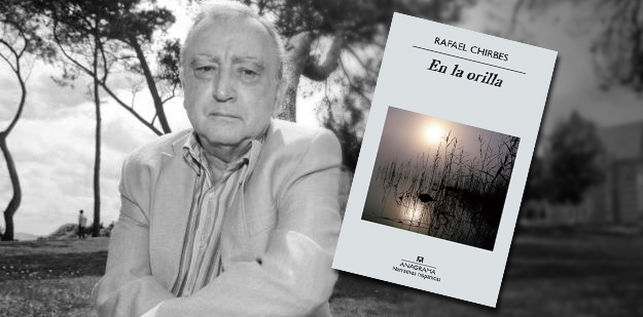
To read such surprising literature in Spanish at this stage of my life fills me with satisfaction. Chirbes has devoted his life to this craft, but through sheer ignorance I have only just discovered him in this novel of…
Guest author: Pedro Oriol. Painter Once again I recall the words of Miltos: “If I leave it, it leaves me” This morning, walking along Calle Mayor amid the crowd, my eye fell…
Guest author: Pedro Oriol. Painter The old prodigies, Miguel Angel, Leonardo, (perhaps those two were everything in their time, youth, maturity, old age), Goya and his last black painting, Velazquez and his jesters,…
Guest contributor: Pedro Oriol. Painter Why reproach a sorrowful person for their sorrow, and a joyful one for their joy? Each time a flash of light illuminates one part, the other is cast…
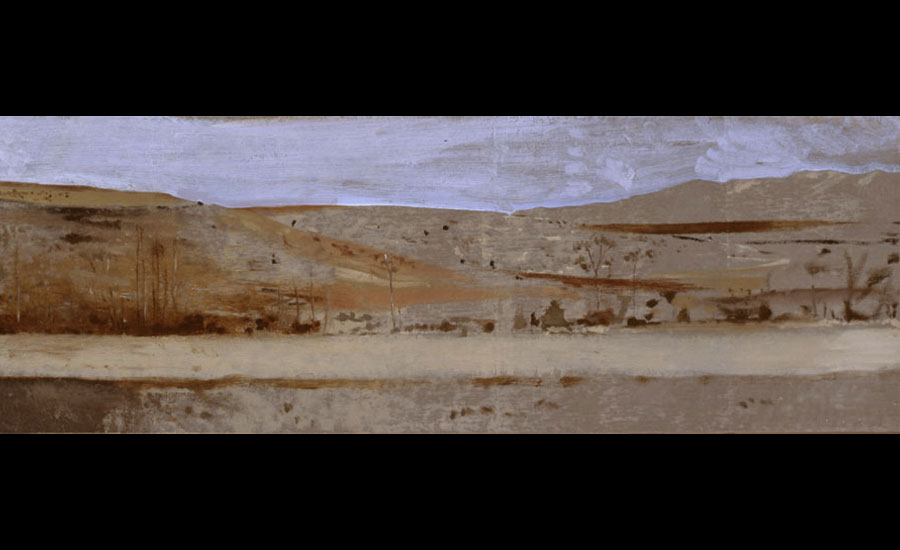
On some early mornings, when everything is still dark, I go down to the studio and sit before the great window. There I wait, motionless, to watch how the light gradually restores to things their weight. It is…
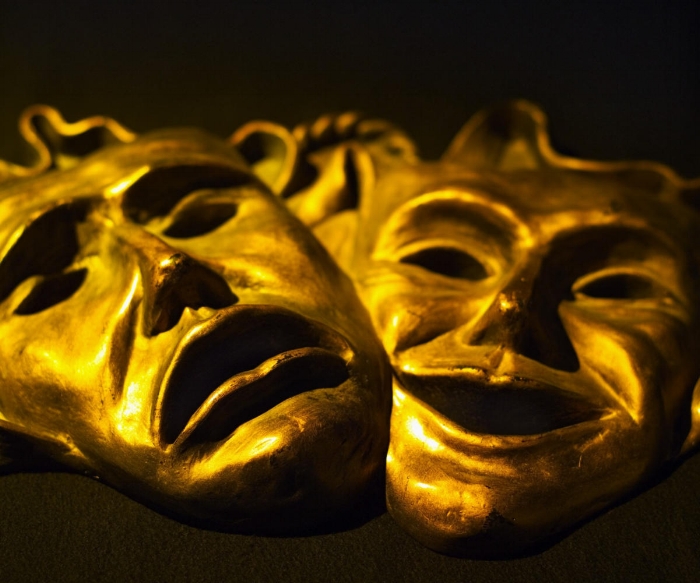
Many are the creators who, throughout history, have believed they saw the origins of creativity, or at least some of its requirements, in good health and a feeling of wholeness. But neither are they few those who found the best stimuli for their creations to be suffering and sickness. Some seem to heed Horace’s advice to "delight and instruct"
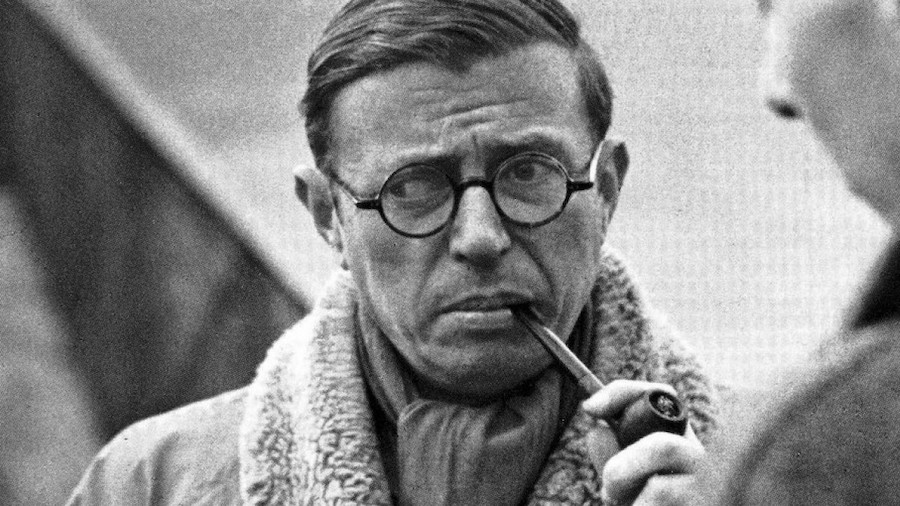
Jean-Paul Sartre, the father of existentialism, argued that man lacks essence and is condemned to be free. Jean-Paul Sartre was a man of many parts: philosopher, novelist, playwright, literary critic and political agitator. But he was, above all else, someone who made the absolute most of a life that was intense.
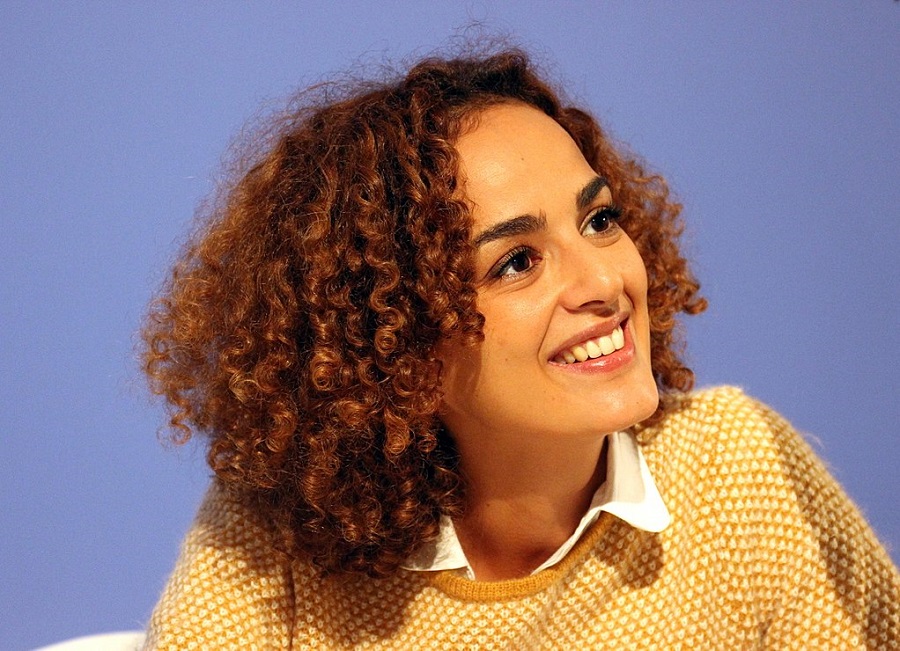
Leïla Slimani, born in 1981, is a French-Morrocan author and the 2016 winner of France's most prestigious award for literature, The Goncourt Prize, for her second novel, "Lullaby". In a distinctly French style, with a tone reminiscent of her compatriot Emmanuel Carrère, Slimani narrates, with both lightning rhythm and a sluggishness typical of day-to-day routine, a dizzying plot that leaves the reader in the uncomfortable position of being able to identify with these easily-relatable incidents. The reading of the novel is accelerated by the flow of her narrative in its search for what is hidden behind what we know to be fact from page one.
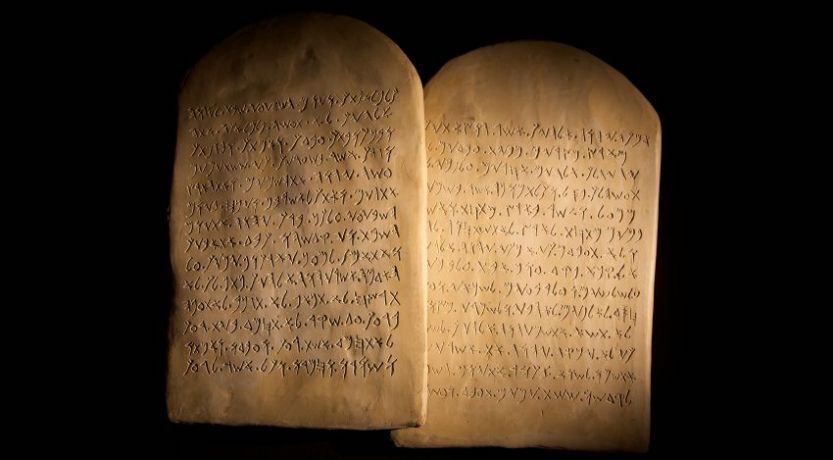
Both among those who, by reason of their religion and culture, consider themselves to be Jews and for those living as Jews whilst also considering themselves an integral part of the secular and cosmoplitan mindset prevalent today, the question of a Jewish identity and the main issues involved in defining it is a recurrent one: for instance, the Jewish take on history and time, Jewish persepectives as regards individuality and collectivity, and, of course, anti-Semitism to name but a few. With the sole aim of contributing to the dialogue this type of reflection invites, I would dare to posit the two-way character, at once ambiguous and conflictual, of the Jewish estate that this conversation, broadly speaking, might well end up concluding.