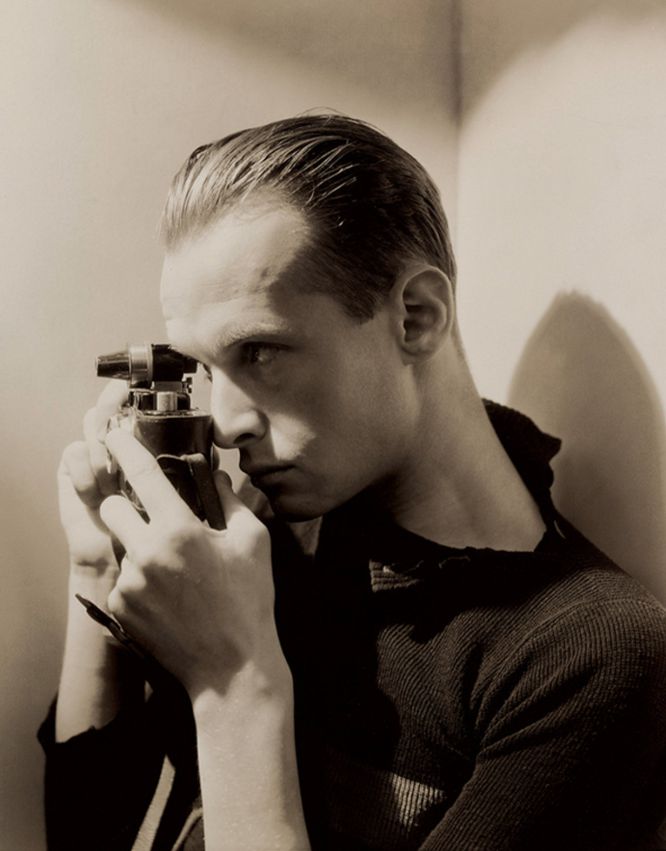
Henri Cartier-Bresson, at the Centre Pompidou in Paris.
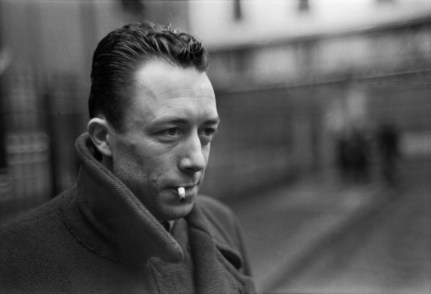
Retrospective of Henri Cartier-Bresson (1908-2004) at the Centre Pompidou.
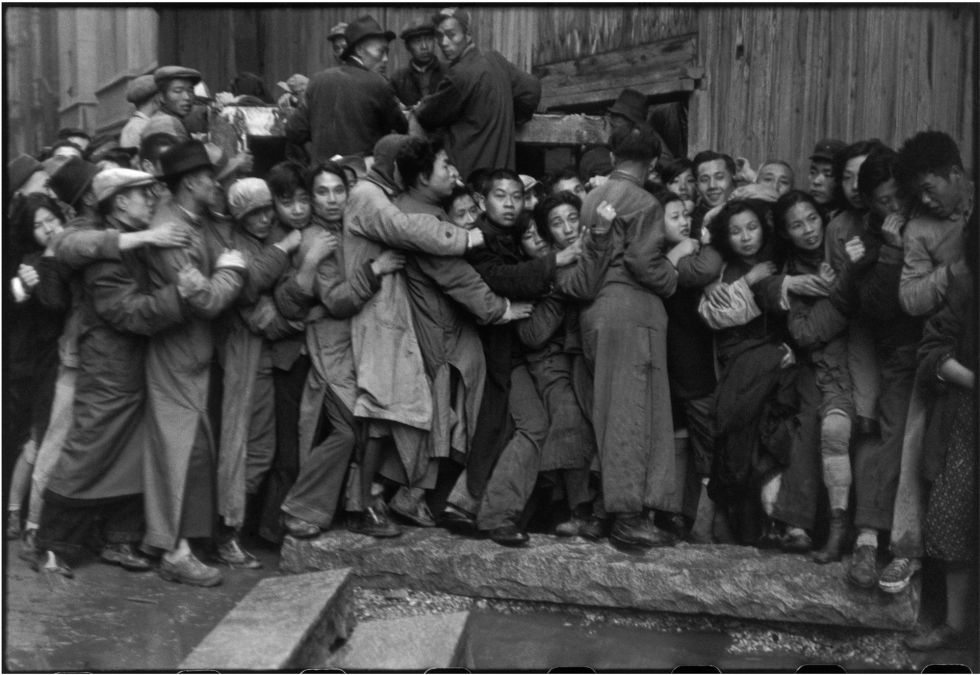
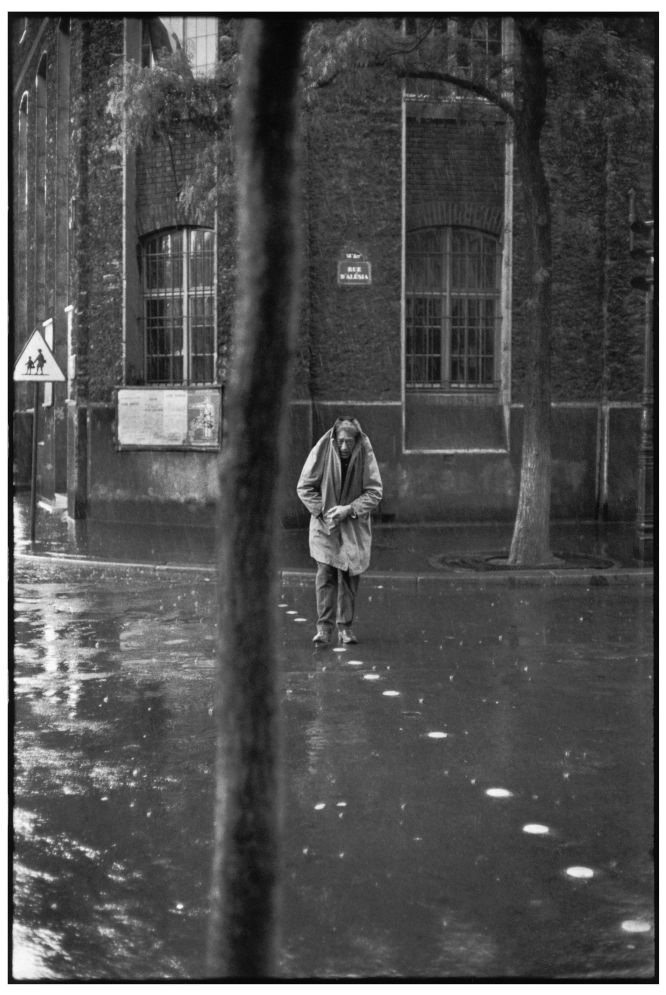
The exhibition traces a chronological survey of the work of one of the legends of contemporary photography. His oeuvre develops stylistically through several clearly identifiable phases. His beginnings are close to the surrealist movement, only to end up flowing into a photography that is far more socially and politically committed. The Spanish Civil War, the Second World War, decolonization and the Cold War are testimonies of that commitment, not only to the image but also to the word. He denounced the powerful and always stood alongside the most disadvantaged. In 1947 he co-founded the Magnum Agency, together with Robert Capa and other great war reporters, only to leave it three decades later. During this period his interests took an important turn: photojournalism, everyday life, social change and travel shaped an eclectic body of work in which he always left a record of whatever came before his eyes (Gandhi’s funeral, the death of Stalin, portraits of artists, consumer society, etc.). His last images become more intimate and his poetry more gentle. He is a master of composition, with a visual intuition for capturing the precise instant.
Worth highlighting too is his foray into the world of cinema, especially his collaboration with the French director Jean Renoir.
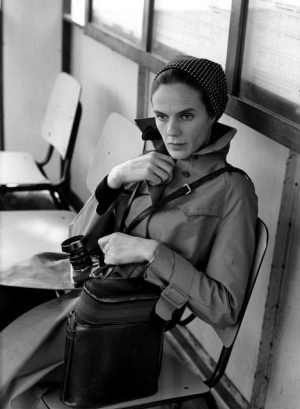
Bresson’s work is distributed across eight rooms and brings together more than 500 images, where the visitor can see, from the most iconic photographs to series that are practically unpublished, personal papers, drawings, paintings …
For any photography enthusiast, seeing the work of Henri-Cartier Bresson is an incentive to pick up the camera and look for that instant which the “master” always found .