

“La chica de la Leica”, or the Woman Behind the Photojournalist
The novel by Helena Janeczek recovers the figure of Gerda Taro, photographer, reporter and co-creator of the legendary figure of Robert Capa. An essential book that arrives in Spanish bookshops this month, endorsed by the Italian Strega and Bagutta 2018 prizes.
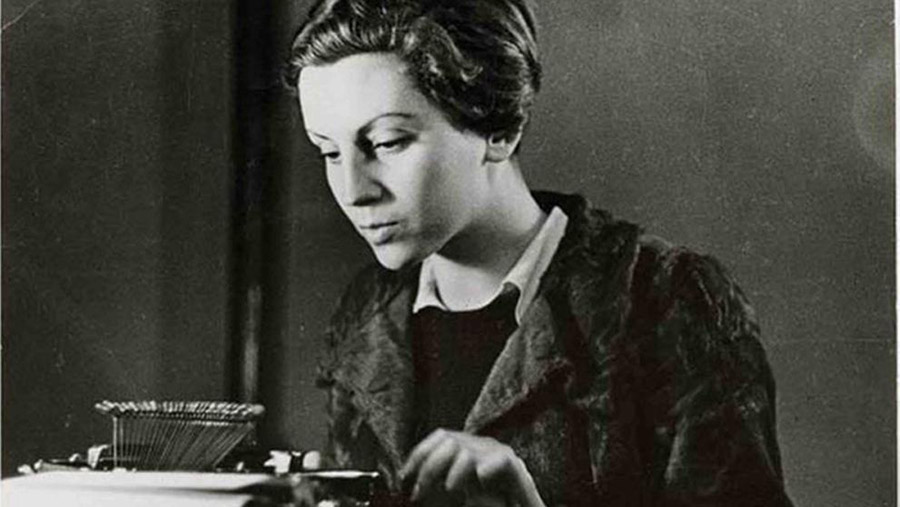
Photograph of Gerda Taro. At lavanguardia.com
Gerda Taro has the dubious and sad honor of being considered the first female photojournalist to die on the battlefield. And even so, the achievements and the very brief and dazzling life of this journalist and photographer earn her a special place in the history of the 20th century, of journalism and of photography. Having died in 1937, while covering the Battle of Brunete and at the early age of 27, the photojournalist is unjustly famous for having been the partner of Andre Friedmann, pseudonym of Robert Capa. Because in reality Capa was a character created ex aequo by Friedmann and Taro, whose signature appeared indistinctly on the photographs taken by both. Her figure has lately been vindicated in a very special novel: “La chica de la Leica”, by the writer based in Italy Helena Janeczek. Gerda Taro, whose real name was Gerta Pohorylle, appears in the pages of the book seen in a new light: as a dazzling and charismatic figure, who generated around her whirlwinds of life and creativity.
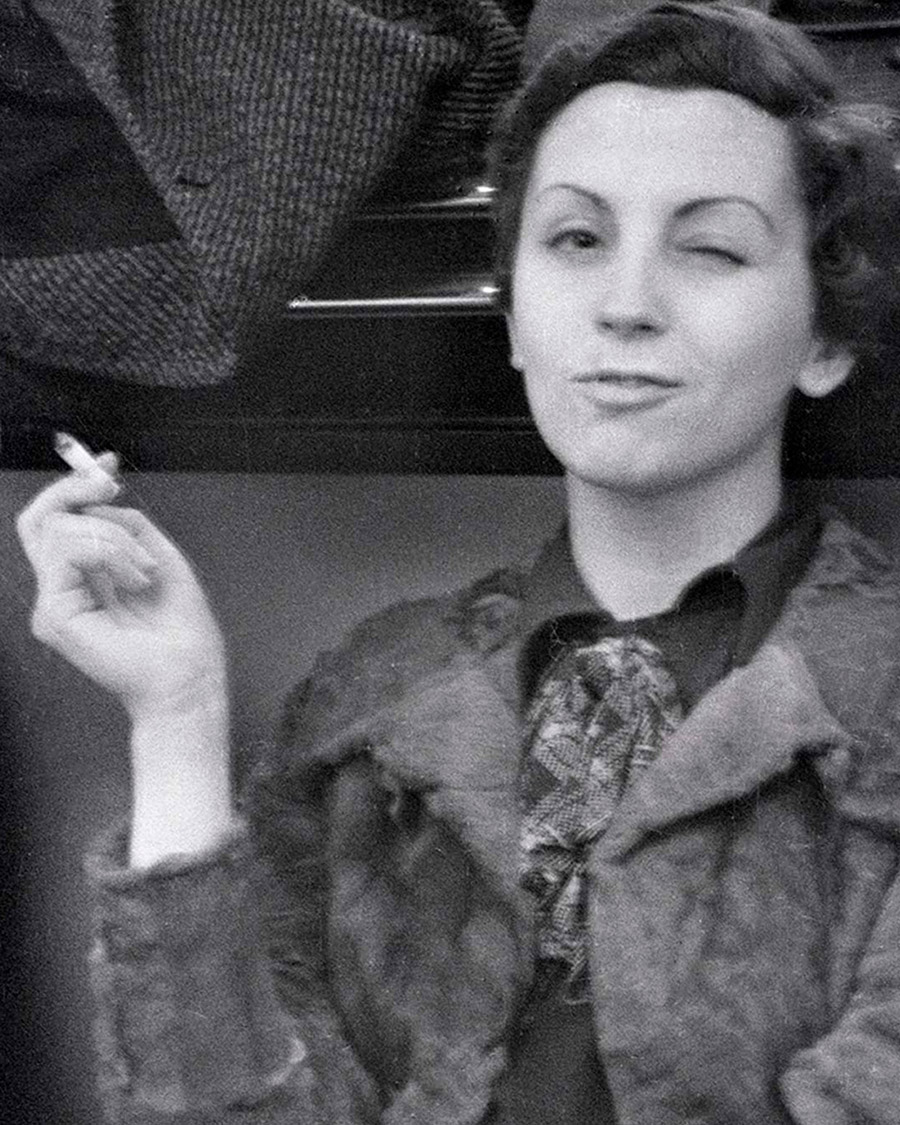
Photo of Gerda Taro on the cover of “La chica de la Leica”. At wmagazin.com
For this novel, Helena Janeczek carried out exhaustive research work. Besides the search for and cross-checking of documentation, she also conversed by telephone with Willy Chardack and Georg Kuritzkes: two (real) characters fundamental in the novel, who knew Gerda Taro and felt the spell of her powerful personality. Taro’s personality came to eclipse that of her very famous companion and lover, as can be glimpsed in some paragraphs of the book: “Gerda knew how to address almost all the brigade members in their own language, with a couple of sentences she conquered battalions and generals, she bewitched political commissars and censors. Gerda, so loved by the foreign press correspondents and by the poets and writers”. Janeczek’s novel returns to the figure of Gerda Taro the place she deserves, many of whose photographs have been unjustly attributed to Andre Friedmann for bearing the signature of the legendary Robert Capa. A book, in short, that revolves around a star of brief but intense brilliance, and that shows us a hard and turbulent era under the light of the commitment, the art and the joy of living of an exceptional woman.
You may also like
 An Art Center, Oceans and Science in a Venetian Church
 The Magnificent Roberto Polo Collection Comes to Toledo to Stay
 The Arc de Triomphe in Paris Will Be Wrapped by Christo in 2020
 Julian Barnes Analyzes Painting “With His Eyes Wide Open”
 Antonio Garcia Villaran and “El arte de no tener talento”
 Carlos Garcia Gual Invites Us to Discover a “Grecia para Todos”