

“Tiempo de magos”: The Prodigious Decade of 20th-Century Philosophy
The philosopher and journalist Wolfram Eilenberger portrays the experiences and reflections of four titans of world philosophy in a book that explains the foundations of the European metaphysics of the era.
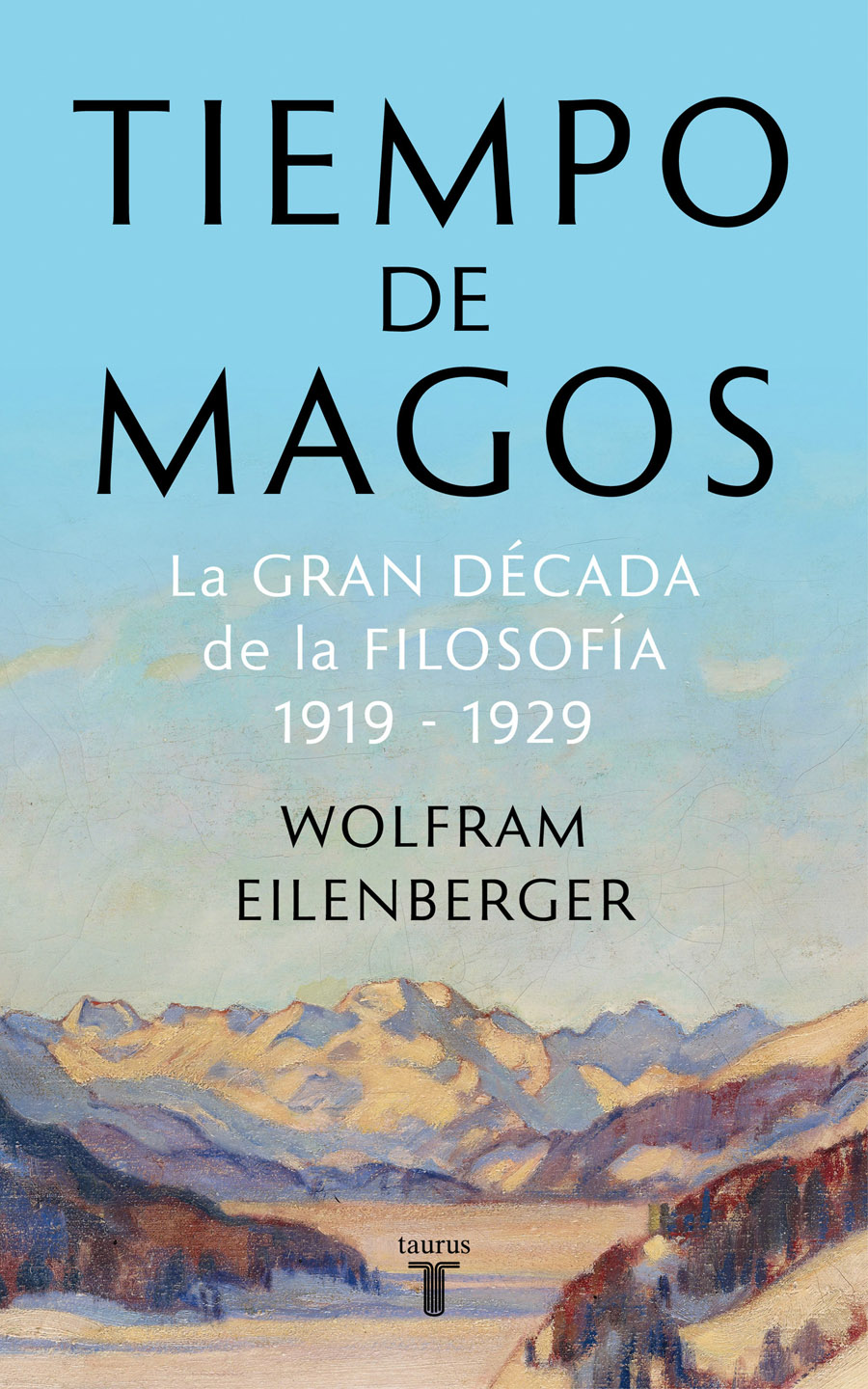
They were magicians of thought and of the word, ingredients with which they elaborated alchemical formulas aimed at seeking the magic elixir that would answer the fundamental question: “What is man?”. The book Tiempo de Magos (Editorial Taurus) arrives in bookshops to translate into brilliant and absorbing literature the philosophical premises that emerged from some of the most complex minds of the 20th century. Wolfram Eilenberger, also a philosopher and regular contributor to some of the main German newspapers, has reflected in its pages the lives and experiences of Walter Benjamin, Ludwig Wittgenstein, Martin Heidegger and Ernst Cassirer between 1919 and 1929. Its greatest merit: to explain in terms accessible to all the mainstays of these philosophers’ thought, without renouncing their depth. Always framed in a complicated, violent and bustling decade that generated structural changes in Western society: ten years wedged between two world wars, during which explaining the reason for the human being’s existence became more important than ever.

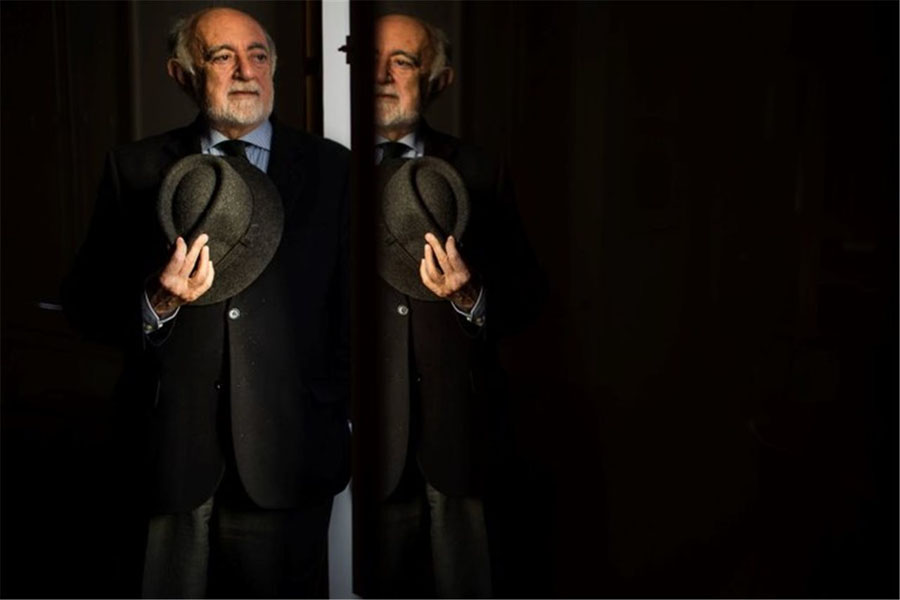
Portrait of Wolfram Eilenberger. At hola.com
The book begins in 1919. Europe was awakening from the nightmare of the First World War and experiencing the lashes of the Revolution of 1917. That same year, Ludwig Wittgenstein renounces the family fortune “in search of honest work”; Walter Benjamin escapes paternal protection; Martin Heidegger converts to Protestantism, and Ernst Cassirer lives and works modestly under the bullets of a sad and violent Berlin. The circumstances of the four thinkers, together with their basic reflections, generate four different currents focused on answering the essential question posed earlier. The book aptly recounts the personal life of each philosopher during that era, always intermingled with the development of their philosophical theses. Eilenberger manages to unravel their proposals (complex and obscure, within the reach only of scholars and geniuses) to turn them into intelligible ideas. And, moreover, enormously entertaining. The famous Oxford examination of 1929, in which Wittgenstein left his examiners speechless (among them, Bertrand Russell), closes this prodigious decade, not without first revealing how each of the protagonists tried to resolve the fundamental question. Wittgenstein abandoned philosophy, Heidegger announced a new current of thought that would culminate in unconditional support for Adolf Hitler, Benjamin opted for a philosophy related to art criticism and Cassirer demanded the recovery of language as the essence of humanity.
You may also like
 Antonio Garcia Villaran and “El arte de no tener talento”
 Carlos Garcia Gual Invites Us to Discover a “Grecia para Todos”
 “Tus pasos en la escalera”. Waiting, as Told by Antonio Munoz Molina
 Nature Will Invade a Stadium in Klaus Littmann’s Next Intervention
 “La memoria esculpida”: Three Years of Conversations with Martin Chirino
 The COLECCIONA Encounters Visit the H.E.F. Collection of Juan Entrecanales