

“Filosofia y ficcion”. Reflections and Stories by Ignacio Gomez de Liano
The boundaries between literary disciplines dissolve in the new compilation book by the philosopher and thinker. A work to reflect on and to enjoy.
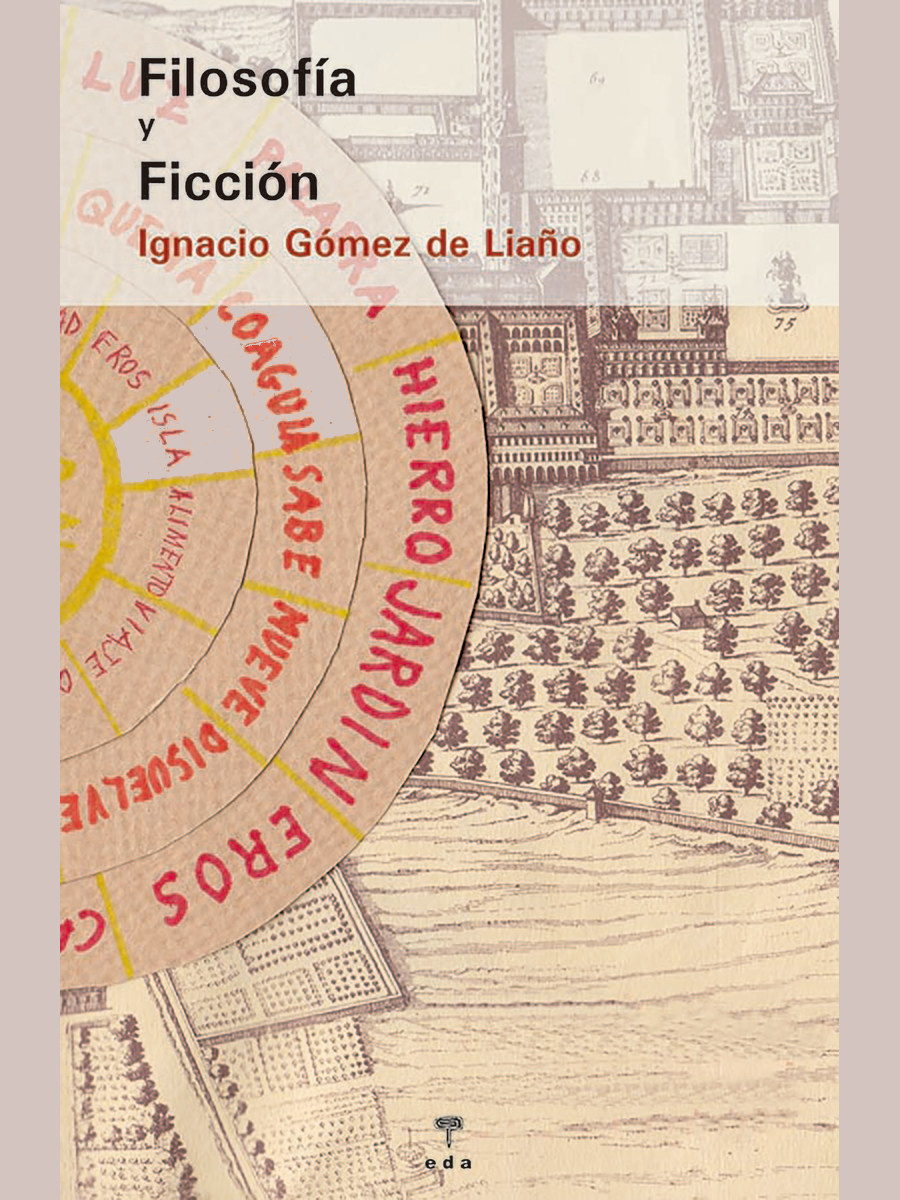
Cover of the book Filosofia y Ficcion. Ignacio Gomez de Liano. Ediciones de Aqui, 2020
“The limits of the narrative and the philosophical are blurred, and their borders permeable”, says Ignacio Gomez de Liano in the prologue of his book Filosofia y Ficcion (Ediciones de Aqui, 2020). In the pages of this book, the philosopher, writer and artist does not merely state that opinion but demonstrates it word by word. For the volume is made up of a compilation of writings belonging to both disciplines: philosophy and narrative, which converse in its pages to enrich and question one another constantly. The texts were written simultaneously and only now appear collected in book form, although at the time the stories were published in various literary magazines (Inventario, Revista de Occidente and Archipielago). For this reason, we find ourselves before a complex and fascinating exercise that allows us to enjoy its power of attraction one hundred percent. An essential book within the work of one of the most interesting, provocative and restless writers on the current intellectual scene.
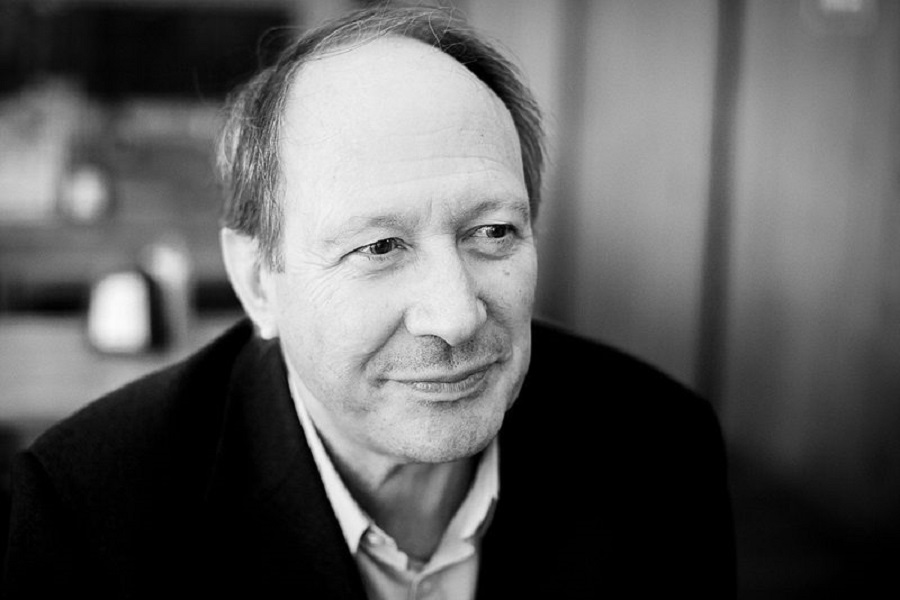
Ignacio Gomez de Liano. At La Mirada Actual
The part devoted to fiction consists of several stories: Villa Carelia (in its three parts: El viaje, El Museo de Historia Invisible and El regreso y el nombre), El dedo gordo de Alma-Tadema, El Retiro, El profesor de Geografia, Paradoxa, Los detalles y la fatalidad and El ultimo minuto. In the words of its author, they are “stories made of the matter of philosophy and poetry. That is, of the same matter from which the very thoughts that now begin to emerge are also wrought”. As for the philosophical writings, they are made up of thoughts, reflections or even “poetic intuitions” that constitute fertile ground from which the stories later spring, vigorous. According to Ignacio Gomez de Liano, the philosophical work required him to stop now and then “to catch his breath” and to let the mind have fun. For the author, the fiction stories fulfilled that function, and in the book they also constitute a delightful entertainment for the reader. And of course, they are a brilliant complement to the deductions and the process of philosophical and psychological thought reflected in the other writings.
Filosofia y ficcion available on Amazon
You may also like
 The Museo Picasso de Malaga Opens the Largest Bruce Nauman Retrospective in 25 Years
 “Ciudadanos” by Simon Schama. A Chronicle of the French Revolution
 “Historia y arte de la mirada”. Mark Cousins Takes Up the Baton from John Berger
 “Eter”: Anka Moldovan Exhibits Her Latest Work in Mieres
 Cristina Iglesias Creates a Site-Specific Work for the Royal Academy of Arts
 Banksy Back in the Spotlight