

ARCOMadrid 2019 Unveils 13 Video Installations by Peruvian Artists
“Video-Translaciones: miradas x espacios” is a show running parallel to the art fair, in which thirteen creators from the guest country offer a sensory and immersive journey through their works.
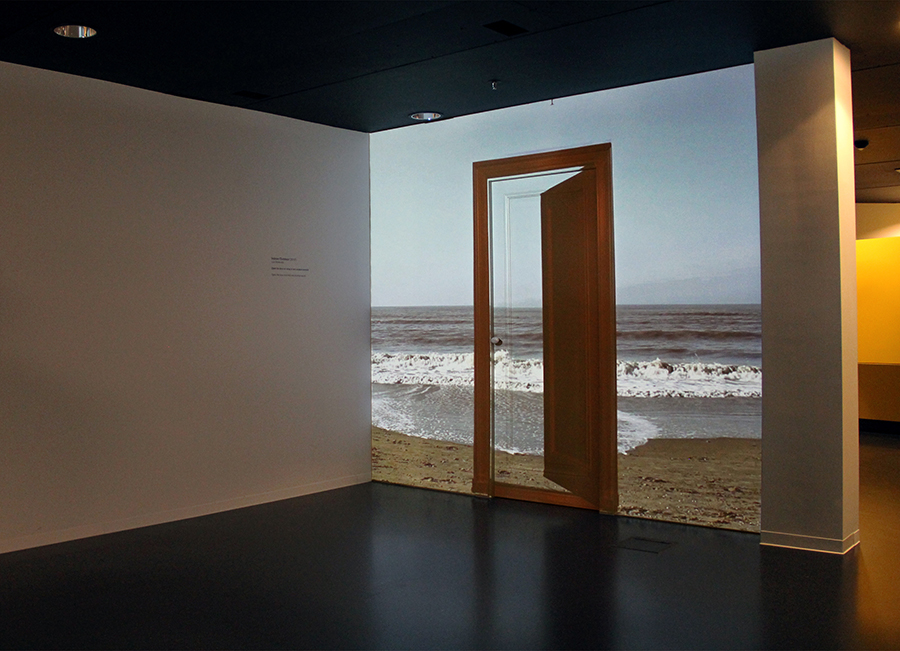
Indoor/Outdoor. Luis Soldevilla (2012). At condeduquemadrid.es
At the 2019 edition of ARCOMadrid, Peru will land in the capital to dazzle with the creative force of its artists. This year, the international art fair has chosen the Andean country as its guest of honor. The fundamental criterion has been quality, which served to set the Peruvian creators apart from other options and so to back their presence; specifically, ARCOMadrid will show the work of 23 artists selected and coordinated by the curator Sharon Lerner. In parallel, the Conde Duque center in Madrid has programmed the exhibition “Video-Traslaciones: miradas x espacios”: a fascinating selection of cutting-edge video installations, created by thirteen artists from the country. The selected works have been made by Luz Maria Bedoya, Ricardo Yui, Luis Soldevilla, Elizabeth Vasquez, Arturo Kameya, Veronica Luyo, Juan Salas, Miguel Cordero, Katherinne Fiedler, Rudolph Castro, Daviz Zink Yi, Marco Pando and Alvaro Icaza.
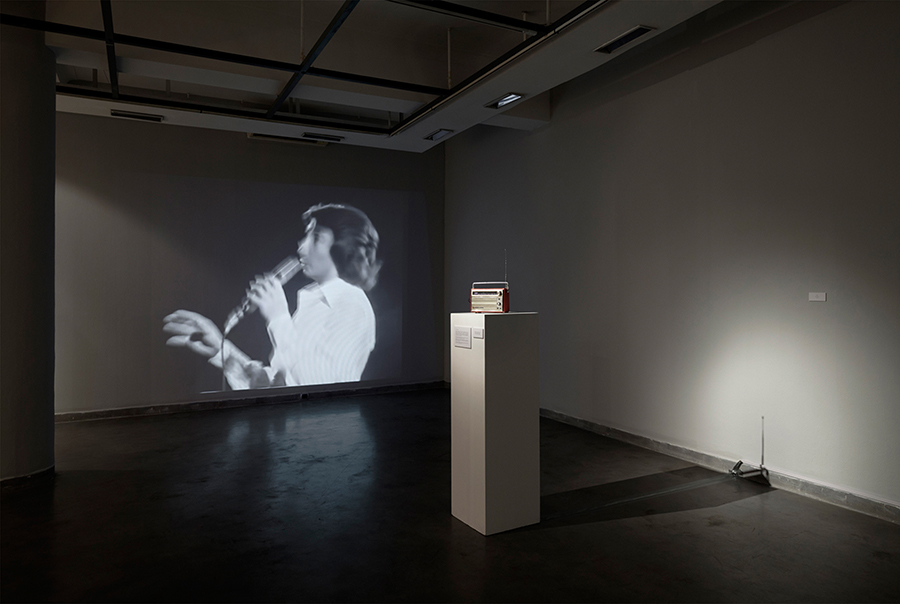
Libre. Rudolf Castro (2013). At condeduquemadrid.es
In Peru, audiovisual art has more than 15 years of development behind it thanks to the work of two generations of creators, to which the artists who have landed in Madrid belong. In the works on show (which can be seen in the Sala de Bovedas of the Conde Duque Center) audiovisual projections, free-standing figures, interactive options and sound files are fused together, intended to generate immersive environments. The viewer crosses the boundaries of the works to become part of them, experiencing in their own skin what each artist has sought to convey. One of the show’s curators, Jorge Villacorta, noted that the works on display “range from research into memory to the understanding of the natural environment. We want to show how a Peruvian artist who makes video installation situates himself in space, how he understands geographical, social or political space, and how he subverts it”. Video-Translaciones is not the only exhibition devoted to Peru running alongside ARCOMadrid: during these days it will coexist with other shows such as Nazca or Amazonias. It is, however, the only one that bets on the use of new technologies in art. It is, without doubt, a magnificent opportunity to discover the evolution of the visual arts in Peru: what path its artists are following and what points of connection they generate with what is being done in other countries.
You may also like
 The Museo Picasso de Malaga Opens the Largest Bruce Nauman Retrospective in 25 Years
 “Ciudadanos” by Simon Schama. A Chronicle of the French Revolution
 “Historia y arte de la mirada”. Mark Cousins Takes Up the Baton from John Berger
 “Filosofia y ficcion”. Reflections and Stories by Ignacio Gomez de Liano
 “Eter”: Anka Moldovan Exhibits Her Latest Work in Mieres
 Cristina Iglesias Creates a Site-Specific Work for the Royal Academy of Arts